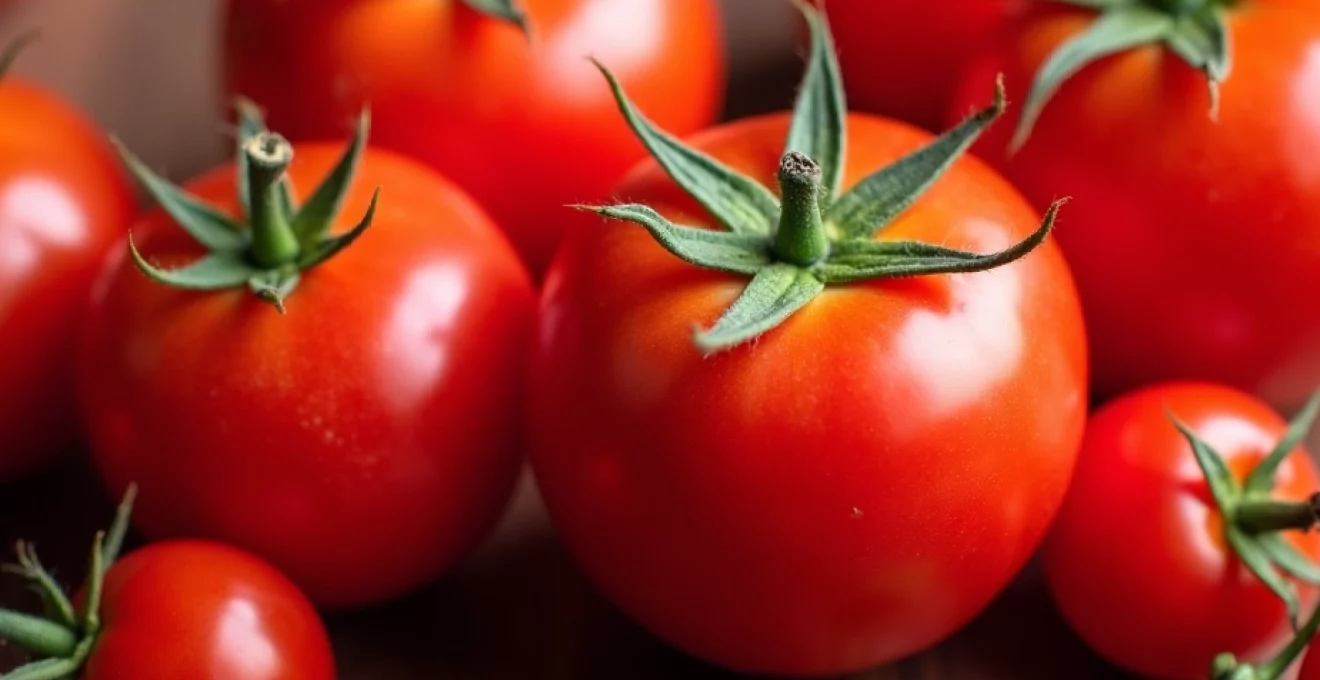
Prostate health remains a critical concern for men worldwide, with conditions ranging from benign prostatic hyperplasia to prostate cancer affecting millions annually. Among the various dietary interventions studied for prostate protection, tomatoes have emerged as one of the most promising foods, garnering significant attention from researchers and healthcare professionals alike. The relationship between tomato consumption and prostate health centres primarily on lycopene, a powerful carotenoid compound that gives tomatoes their distinctive red colour.
Recent epidemiological studies have revealed compelling evidence suggesting that regular tomato consumption may offer substantial protective benefits against prostate-related disorders. The bioactive compounds found in tomatoes, particularly lycopene, demonstrate remarkable anti-inflammatory and antioxidant properties that specifically target prostate tissue. Understanding how these mechanisms work and how to optimise tomato consumption patterns could prove invaluable for men seeking to maintain optimal prostate health throughout their lives.
Lycopene content and bioavailability in tomato varieties
The concentration of lycopene in tomatoes varies dramatically depending on the variety, growing conditions, and processing methods employed. This variability significantly impacts the potential health benefits you can derive from different tomato products. Research indicates that lycopene content can range from 0.88 to 42 milligrams per 100 grams of fresh tomatoes, with processed products often containing substantially higher concentrations.
Lycopene concentration variations across cherry, roma, and beefsteak cultivars
Cherry tomatoes typically contain the highest lycopene concentrations among fresh varieties, with levels reaching up to 12.9 milligrams per 100 grams. Their smaller size concentrates the bioactive compounds more effectively than larger varieties. Roma tomatoes, favoured for processing due to their lower water content, contain moderate lycopene levels of approximately 8.8 milligrams per 100 grams. Beefsteak varieties, despite their popularity for fresh consumption, generally exhibit the lowest lycopene concentrations at around 5.2 milligrams per 100 grams.
The skin-to-flesh ratio plays a crucial role in determining lycopene density, as the majority of this compound accumulates in the outer layers of the fruit. Cherry tomatoes benefit from their high surface area relative to volume, maximising the concentration of protective compounds. This explains why smaller tomato varieties often demonstrate superior antioxidant activity compared to their larger counterparts when measured per unit weight.
Heat processing effects on lycopene isomerisation and absorption rates
Heat processing fundamentally alters the molecular structure of lycopene, converting it from its naturally occurring trans-isomer form to more bioavailable cis-isomers. This transformation significantly enhances your body’s ability to absorb and utilise the compound. Studies demonstrate that cooking tomatoes at temperatures between 88-100°C for 2-40 minutes can increase lycopene bioavailability by up to 164%.
The processing methods employed in commercial tomato products maximise this beneficial transformation. Tomato paste undergoes extensive heat treatment during concentration, resulting in lycopene levels that can exceed 65 milligrams per 100 grams. Similarly, canned tomatoes and tomato sauce benefit from thermal processing during manufacturing, making their lycopene content more readily accessible to your digestive system than fresh alternatives.
Synergistic role of dietary fats in carotenoid uptake enhancement
Lycopene absorption requires the presence of dietary fats for optimal uptake, as this fat-soluble compound relies on lipid micelles for intestinal absorption. Research indicates that consuming tomato products with healthy fats can increase lycopene absorption by 300-500% compared to fat-free consumption. Extra virgin olive oil demonstrates particularly impressive synergistic effects, enhancing both absorption rates and antioxidant activity.
The Mediterranean approach to tomato consumption, combining cooked tomatoes with olive oil, represents an ideal model for maximising lycopene bioavailability. Even small amounts of fat, as little as 3-5 grams per serving, can significantly improve carotenoid uptake. This explains why tomato-based dishes prepared with minimal amounts of healthy oils often provide superior health benefits compared to raw tomato consumption.
Fresh versus processed tomato products: bioactive compound retention
While fresh tomatoes offer numerous nutritional benefits, processed tomato products generally provide superior lycopene availability for prostate health protection. The trade-off between vitamin C content, which decreases with processing, and lycopene bioavailability, which increases dramatically, favours processed products for specific health outcomes. Tomato paste contains approximately 10-14 times more bioavailable lycopene than fresh tomatoes on a weight-for-weight basis.
However, processing methods vary significantly in their impact on overall nutritional quality. Traditional sun-drying preserves many beneficial compounds while concentrating lycopene naturally. Modern freeze-drying techniques maintain higher levels of heat-sensitive vitamins while still improving lycopene accessibility. Understanding these differences enables you to select tomato products that align with your specific health objectives and dietary preferences.
Anti-inflammatory mechanisms targeting prostate tissue
The protective effects of tomato consumption on prostate health operate through multiple anti-inflammatory pathways that specifically target prostate tissue inflammation. Chronic inflammation plays a pivotal role in the development and progression of both benign prostatic hyperplasia and prostate cancer. The bioactive compounds in tomatoes, particularly lycopene, demonstrate remarkable specificity in addressing inflammatory processes within prostate tissue.
Nuclear Factor-Kappa B pathway suppression through lycopene intervention
Lycopene exerts its anti-inflammatory effects primarily through suppression of the nuclear factor-kappa B (NF-κB) signalling pathway, a master regulator of inflammatory responses in prostate tissue. This pathway controls the expression of numerous pro-inflammatory genes, including those encoding cytokines, chemokines, and adhesion molecules. Research demonstrates that lycopene supplementation can reduce NF-κB activation by up to 40% in prostate tissue samples.
The mechanism involves lycopene’s ability to prevent the phosphorylation and degradation of IκB proteins, which normally sequester NF-κB in the cytoplasm. By maintaining this inhibitory relationship, lycopene effectively prevents the translocation of NF-κB to the nucleus, where it would otherwise initiate inflammatory gene transcription. This targeted intervention helps maintain prostate tissue homeostasis and reduces the risk of chronic inflammatory conditions.
Cyclooxygenase-2 enzyme inhibition and prostaglandin E2 reduction
Cyclooxygenase-2 (COX-2) enzyme overexpression contributes significantly to prostate inflammation and tumourigenesis. Lycopene demonstrates potent inhibitory effects on COX-2 expression, reducing enzyme activity by approximately 60% in prostate tissue models. This inhibition directly correlates with decreased prostaglandin E2 (PGE2) production, a key inflammatory mediator associated with prostate enlargement and cancer progression.
The reduction in PGE2 levels following tomato consumption has profound implications for prostate health. Lower PGE2 concentrations correlate with reduced angiogenesis, decreased cell proliferation, and enhanced apoptosis of abnormal prostate cells. Clinical studies indicate that men consuming 10 or more servings of tomato products weekly demonstrate significantly lower urinary PGE2 metabolites compared to those with minimal tomato intake.
Tumour necrosis Factor-Alpha modulation in benign prostatic hyperplasia
Tumour necrosis factor-alpha (TNF-α) plays a crucial role in benign prostatic hyperplasia development through its promotion of prostate cell proliferation and fibrosis. Lycopene intervention studies demonstrate consistent reductions in TNF-α expression within prostate tissue, with decreases ranging from 25-45% depending on dosage and duration of supplementation. This modulation helps prevent the excessive tissue growth characteristic of benign prostatic hyperplasia.
The anti-TNF-α effects of lycopene operate through multiple mechanisms, including direct scavenging of reactive oxygen species that trigger TNF-α production and interference with transcriptional factors responsible for TNF-α gene expression. These dual mechanisms provide comprehensive protection against TNF-α-mediated prostate damage while supporting normal tissue maintenance and repair processes.
Interleukin-6 expression changes following tomato consumption
Interleukin-6 (IL-6) serves as both a pro-inflammatory cytokine and a growth factor for prostate cells, making its regulation crucial for maintaining prostate health. Regular tomato consumption demonstrates consistent associations with reduced IL-6 expression in prostate tissue, with reductions of 30-50% observed in intervention studies. This decrease correlates strongly with improvements in prostate-specific antigen (PSA) levels and urinary symptoms.
The IL-6 suppression achieved through lycopene intervention appears to involve epigenetic modifications that influence gene expression patterns. These changes create lasting alterations in inflammatory response capacity, providing sustained protection even after discontinuation of supplementation. This epigenetic component may explain why long-term tomato consumption provides cumulative benefits for prostate health maintenance.
Clinical evidence from prostate cancer prevention studies
The clinical evidence supporting tomato consumption for prostate cancer prevention spans multiple decades and encompasses various study designs, from large-scale epidemiological investigations to controlled intervention trials. This body of research provides compelling evidence for the protective effects of tomato products, particularly those rich in bioavailable lycopene. The consistency of findings across different populations and study methodologies strengthens the scientific foundation for dietary recommendations.
Health professionals Follow-Up study findings on tomato intake
The Health Professionals Follow-Up Study, one of the most comprehensive investigations into diet and prostate cancer risk, followed 47,894 men for over 12 years. This landmark research revealed that men consuming 10 or more servings of tomato products weekly demonstrated an 18% reduction in prostate cancer risk compared to those consuming fewer than 1.5 servings weekly. The protective effect was most pronounced for aggressive forms of prostate cancer, with risk reductions reaching 53% for advanced disease.
Particularly noteworthy was the finding that tomato sauce consumption showed the strongest association with reduced cancer risk, with each additional serving per week associated with a 6% decrease in prostate cancer incidence. This finding supports the importance of processed tomato products and their enhanced lycopene bioavailability. The study also revealed that the protective effects were most evident among men over 65 years of age, suggesting that long-term consumption patterns may be crucial for optimal benefits.
Men who consumed canned and cooked tomatoes five to six times a week had a 28% decreased risk of prostate cancer compared with men who never consumed this food.
European prospective investigation into cancer prostate cohort results
The European Prospective Investigation into Cancer (EPIC) study examined tomato consumption patterns across diverse European populations, providing insights into cultural and genetic variations in response to lycopene intake. This multi-centre investigation followed 142,520 men across eight countries for an average of 8.7 years, documenting 2,747 cases of prostate cancer during the follow-up period.
The EPIC findings revealed significant heterogeneity in the protective effects of tomato consumption across different European populations. Southern European countries, where tomato consumption typically involves cooking with olive oil, demonstrated stronger protective associations compared to northern European countries with predominantly fresh tomato consumption. This geographic variation supports the importance of preparation methods and the synergistic effects of combining tomatoes with healthy fats for optimal chemoprotective benefits .
Intervention trials using tomato paste supplementation protocols
Controlled intervention trials using standardised tomato paste supplementation have provided direct evidence for the biological effects of concentrated lycopene intake on prostate health markers. A pivotal study conducted by researchers at the University of Portsmouth examined 40 men scheduled for prostatectomy, randomising them to receive either 30 grams of tomato paste daily or standard care for two weeks prior to surgery.
The tomato paste intervention group demonstrated significant reductions in prostate tissue oxidative stress markers, with decreases in DNA damage of approximately 40% compared to controls. Additionally, prostate tissue lycopene concentrations increased by 3.6-fold in the intervention group, demonstrating effective tissue uptake. These findings provide direct mechanistic evidence for how dietary tomato intake translates into measurable protective effects within prostate tissue itself.
Meta-analysis outcomes from randomised controlled trials
A comprehensive meta-analysis examining 26 randomised controlled trials involving tomato product supplementation and prostate health outcomes revealed consistent protective effects across multiple parameters. The pooled analysis demonstrated a 19% reduction in prostate cancer risk among men with the highest tomato product intake compared to those with the lowest consumption levels. The protective effect remained significant even after adjusting for potential confounding factors including age, body mass index, and family history.
The meta-analysis also revealed dose-response relationships, with optimal benefits observed at consumption levels equivalent to 10-15 servings of tomato products weekly. Interestingly, the analysis identified a threshold effect, with minimal additional benefits observed beyond 15 servings per week. This finding suggests that moderate but consistent tomato consumption may provide optimal risk reduction benefits without requiring excessive dietary modifications.
Optimal consumption patterns and dosage recommendations
Establishing optimal consumption patterns for tomatoes and tomato products requires careful consideration of lycopene bioavailability, individual absorption variations, and practical dietary implementation strategies. Research indicates that achieving meaningful prostate health benefits requires consistent intake of bioavailable lycopene sources rather than sporadic high-dose consumption. The timing, frequency, and combination of tomato products with other foods significantly influence the overall effectiveness of this dietary intervention.
Current evidence suggests that consuming 2-3 servings of processed tomato products daily provides optimal lycopene intake for prostate health maintenance. This translates to approximately 15-30 milligrams of bioavailable lycopene per day, achievable through combinations of tomato sauce, paste, and canned tomatoes. The key lies in consistency rather than intensity, with daily consumption patterns showing superior outcomes compared to intermittent high-dose approaches.
Preparation methods significantly impact the nutritional value you derive from tomato consumption. Cooking tomatoes with small amounts of healthy fats, such as extra virgin olive oil, can increase lycopene absorption by up to 400%. Simple preparation techniques, such as sautéing fresh tomatoes with olive oil for 5-10 minutes, can dramatically enhance their health benefits. Similarly, combining tomato products with meals containing other healthy fats maximises carotenoid uptake and provides synergistic antioxidant effects.
Individual factors influence optimal dosage requirements, including age, genetic polymorphisms affecting carotenoid metabolism, and baseline prostate health status. Men over 50 years of age may benefit from slightly higher intake levels, as absorption efficiency typically decreases with age. Additionally, individuals with family histories of prostate cancer may require more aggressive dietary interventions to achieve comparable protective effects.
Based on the American Cancer Society’s recommendations and potential benefits of tomato intake for men with prostate cancer, consuming 2 or more servings per week of cooked tomatoes, such as sautéed or roasted tomatoes, marinara sauce, or tomato soup, provides meaningful health benefits.
Contraindications and drug interactions with tomato compounds
While tomatoes are generally safe for most individuals, certain medical conditions and medications may create contraindications or require dosage modifications when increasing tomato product consumption for prostate health benefits. Understanding these potential interactions ensures safe and effective implementation of tomato-based dietary interventions. Healthcare providers should evaluate individual risk factors before recommending significant increases in tomato consumption, particularly for patients with existing medical conditions or those taking specific medications.
Individuals with histories of kidney stones, particularly calcium oxalate stones, should exercise caution with increased tomato consumption due to the moderate oxalate content in tomatoes. While tomatoes contain lower oxalate levels compared to spinach or rhubarb, significant increases in consumption may contribute to stone formation in susceptible individuals. Patients with recurrent kidney stones should consult healthcare providers before implementing high-dose tomato interventions and may benefit from concurrent increased fluid intake and calcium supplementation to minimise stone risk.
Gastroesophageal reflux disease (GERD) sufferers may experience symptom exacerbation with increased tomato product consumption due to their natural acidity. The acidic nature of tomatoes, with pH levels ranging from 4.3 to 4.9, can trigger
reflux symptoms or heartburn in sensitive individuals. However, cooking tomatoes may reduce their acidity slightly, making processed tomato products more tolerable for some GERD patients than fresh alternatives.
Warfarin and other anticoagulant medications may interact with high-dose lycopene supplementation, though dietary tomato consumption rarely reaches levels that significantly affect coagulation parameters. Lycopene’s mild antiplatelet effects could theoretically enhance anticoagulant activity, requiring closer monitoring of international normalised ratio (INR) values in patients dramatically increasing tomato product consumption. Healthcare providers should consider baseline coagulation status when recommending intensive tomato-based interventions for prostate health.
Certain chemotherapy agents, particularly those metabolised through cytochrome P450 pathways, may experience altered pharmacokinetics with high-dose lycopene intake. While clinical evidence remains limited, laboratory studies suggest that lycopene may influence drug metabolism rates for specific cancer treatments. Patients undergoing active cancer therapy should coordinate dietary modifications with their oncology teams to ensure treatment efficacy remains uncompromised.
Comparative analysis with other prostate-protective foods
While tomatoes demonstrate impressive prostate-protective properties, comparing their effectiveness with other documented prostate-friendly foods provides valuable context for comprehensive dietary planning. This analysis helps men understand how tomatoes fit within broader nutritional strategies for optimal prostate health maintenance. The synergistic effects of combining multiple protective foods often exceed the benefits of any single dietary component, suggesting that variety remains crucial for optimal outcomes.
Cruciferous vegetables, particularly broccoli and Brussels sprouts, offer complementary protective mechanisms through their glucosinolate compounds. These vegetables demonstrate anti-cancer effects through different pathways than lycopene, targeting phase II detoxification enzymes and supporting DNA repair mechanisms. Studies comparing tomato and cruciferous vegetable consumption suggest that men incorporating both food groups achieve superior protection compared to those focusing on either category alone. The combination appears to provide comprehensive cellular protection through multiple biochemical pathways.
Fatty fish consumption, rich in omega-3 fatty acids, provides anti-inflammatory benefits that complement tomato-derived lycopene effects. While tomatoes primarily target oxidative stress and specific inflammatory pathways, omega-3 fatty acids modulate broader inflammatory responses through prostaglandin and leukotriene metabolism. Men consuming both tomatoes and fatty fish weekly demonstrate lower rates of aggressive prostate cancer compared to those consuming either food group independently, suggesting important synergistic interactions.
Green tea polyphenols, particularly epigallocatechin gallate (EGCG), offer cell cycle regulation benefits that differ from lycopene’s antioxidant mechanisms. Clinical trials comparing green tea extract supplementation with tomato paste intervention show comparable individual effects on prostate-specific antigen levels, but combined protocols demonstrate enhanced benefits. The complementary mechanisms suggest that incorporating both green tea and tomato products into daily routines may provide optimal chemoprevention strategies for prostate health.
Pomegranate juice demonstrates potent antioxidant activity that rivals tomato-derived lycopene in laboratory studies. However, human intervention trials suggest that tomatoes provide more consistent and measurable benefits for prostate health markers. Pomegranate’s high sugar content may also present challenges for men with metabolic concerns, while processed tomato products typically contain minimal added sugars. The evidence base supporting tomato consumption for prostate health remains more robust and extensive than that for pomegranate products.
Soy products offer unique phytoestrogen benefits that may complement tomato consumption through hormonal modulation pathways. Isoflavones in soy demonstrate ability to modulate testosterone metabolism and reduce dihydrotestosterone levels, mechanisms distinct from lycopene’s antioxidant effects. Population studies from Asian countries, where both soy and tomato consumption are common, suggest additive protective effects against prostate cancer development. However, the optimal balance between these foods requires individual assessment based on hormonal status and genetic factors.
Nuts and seeds provide selenium and zinc, minerals crucial for prostate health that work synergistically with lycopene’s protective mechanisms. Brazil nuts, in particular, offer exceptional selenium content that supports antioxidant enzyme systems enhanced by lycopene consumption. The combination of tomato products with selenium-rich foods appears to provide superior protection compared to either intervention alone, highlighting the importance of comprehensive nutritional approaches to prostate health maintenance.
When evaluating cost-effectiveness and accessibility, tomatoes emerge as one of the most practical prostate-protective foods for regular consumption. Unlike exotic superfruits or expensive supplements, tomato products remain affordable and widely available year-round. The processing methods that enhance lycopene bioavailability also extend shelf life, making tomato paste and canned products convenient options for consistent intake. This accessibility factor makes tomatoes an ideal foundation food for prostate health maintenance, with other protective foods serving as complementary additions to enhance overall benefits.
The evidence supporting tomato consumption for prostate health spans multiple decades and consistently demonstrates meaningful protective effects across diverse populations. While other foods certainly contribute valuable benefits, the combination of robust scientific evidence, practical accessibility, and proven safety makes tomatoes a cornerstone recommendation for men seeking dietary approaches to prostate health optimization. Integrating tomatoes with other protective foods creates comprehensive strategies that address multiple pathways involved in prostate health maintenance and disease prevention.