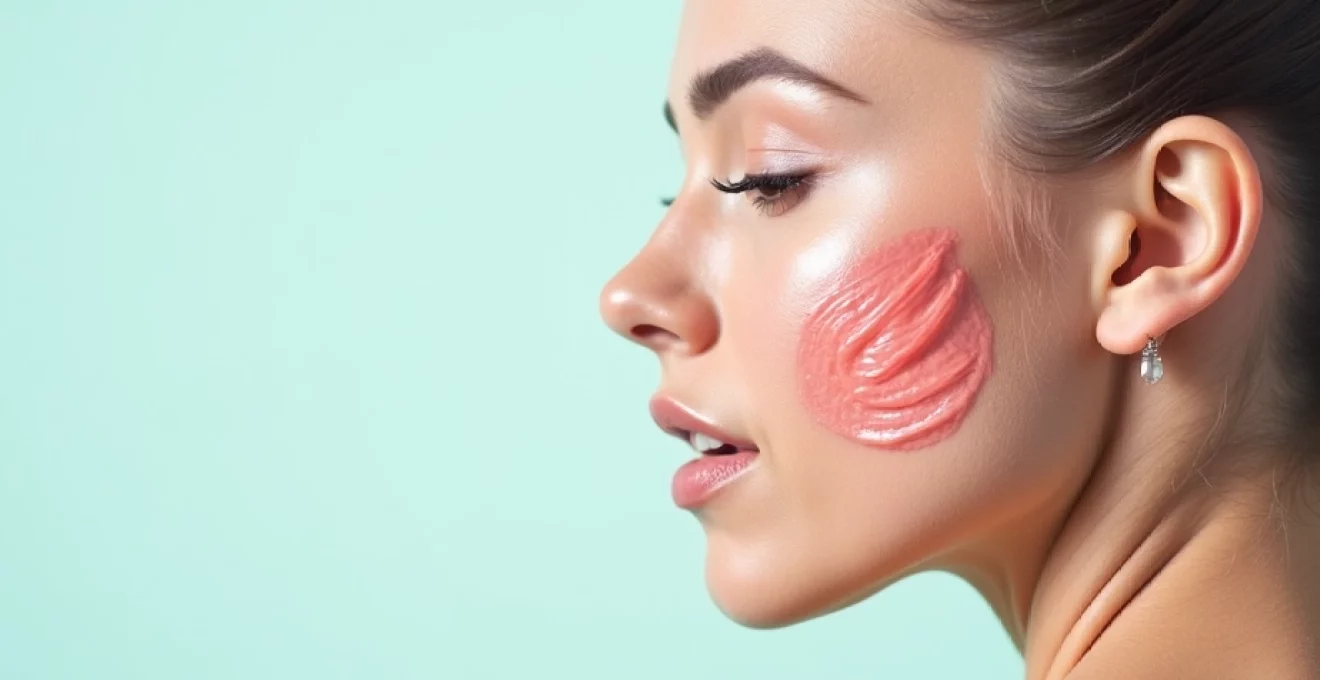
Chemical burns from shampoo represent a serious but often underestimated hazard in everyday personal care routines. These injuries occur when harsh chemicals in hair care products come into contact with the scalp, causing tissue damage that can range from mild irritation to severe chemical burns requiring immediate medical attention. The modern cosmetics industry utilises numerous potent ingredients that, while effective for cleansing and conditioning, can pose significant risks when formulated incorrectly or used improperly.
Understanding the mechanisms behind shampoo-induced chemical burns is crucial for both consumers and healthcare professionals. Unlike thermal burns caused by heat, chemical burns continue to damage tissue as long as the caustic substance remains in contact with the skin. This makes rapid identification and appropriate first aid response absolutely critical. The severity of these burns often depends on factors such as the concentration of active ingredients, the duration of contact, and individual skin sensitivity.
The increasing prevalence of chemical burns from cosmetic products has prompted regulatory bodies worldwide to scrutinise ingredient safety more closely. However, the responsibility for preventing these injuries extends beyond manufacturers to include consumer education about proper product selection and usage. Recognising the warning signs early can make the difference between a minor skin irritation and a serious injury requiring surgical intervention.
Identifying chemical burns from sodium lauryl sulphate and harsh surfactants
The identification of chemical burns from shampoo ingredients requires a thorough understanding of how different compounds affect scalp tissue. Sodium lauryl sulphate (SLS) and sodium laureth sulphate (SLES) are among the most common culprits, functioning as aggressive surfactants that strip natural oils and can compromise the skin’s protective barrier. These compounds work by reducing surface tension, allowing water and oil to mix, but their effectiveness comes at the cost of potential tissue damage when concentrations exceed safe thresholds.
Contact dermatitis symptoms from alkaline ph shampoo formulations
Alkaline shampoo formulations with pH levels above 8.5 can trigger contact dermatitis that mimics chemical burn symptoms. The scalp’s natural pH ranges between 4.5 and 5.5, making it particularly vulnerable to alkaline assault. When exposed to high-pH products, the cuticle layer of hair opens excessively, allowing caustic substances to penetrate deeper into follicular structures and surrounding tissue. Immediate symptoms include intense burning sensations, redness, and rapid onset of inflammation that distinguishes this condition from typical allergic reactions.
Distinguishing chemical burns from allergic reactions to methylisothiazolinone
Methylisothiazolinone (MIT) sensitivity presents unique diagnostic challenges because its symptoms can overlap with true chemical burns. This preservative system triggers delayed-type hypersensitivity reactions that manifest 12-72 hours after exposure, unlike immediate chemical burns which cause instant tissue damage. The key distinguishing factor lies in the pattern of tissue response : allergic reactions typically produce symmetrical, well-demarcated areas of inflammation, whilst chemical burns create irregular patterns following the exact distribution of product application.
Severity assessment using the Lund-Browder chart for scalp burns
Professional assessment of scalp chemical burns utilises modified versions of the Lund-Browder chart, specifically adapted for head and neck injuries. The scalp accounts for approximately 7% of total body surface area in adults, making accurate measurement crucial for treatment planning. First-degree burns affect only the superficial epidermis , presenting with erythema and mild pain without blistering. Second-degree burns penetrate into the dermis, causing blistering, severe pain, and potential hair follicle damage. Third-degree burns, whilst rare from shampoo exposure, destroy full-thickness skin and require immediate surgical intervention.
Recognition of deep tissue damage from Formaldehyde-Releasing preservatives
Formaldehyde-releasing preservatives such as DMDM hydantoin and imidazolidinyl urea can cause progressive tissue damage that initially appears deceptively mild. These compounds gradually release formaldehyde through hydrolysis, creating a sustained chemical assault on scalp tissues. The insidious nature of these burns means that initial symptoms may be minimal , but tissue necrosis can develop over 24-48 hours. Recognition requires awareness that pain levels may not correlate with the extent of underlying damage, making professional evaluation essential even for apparently minor exposures.
Emergency first aid protocols for Shampoo-Induced chemical burns
Immediate response to shampoo chemical burns can significantly influence the extent of tissue damage and long-term outcomes. The primary objective involves rapid removal of the caustic agent whilst preventing further contamination or injury. Time is critical in chemical burn management because tissue damage continues as long as reactive chemicals remain in contact with the skin. Emergency protocols must address both the immediate chemical hazard and the secondary complications that can arise from improper first aid techniques.
The golden rule of chemical burn first aid is continuous irrigation with copious amounts of water for a minimum of 20 minutes, but preferably longer until medical help arrives. This duration may seem excessive, but chemical burns require extended flushing to ensure complete removal of residual caustic substances.
Immediate irrigation techniques using saline solution or sterile water
Proper irrigation technique involves positioning the patient to allow contaminated runoff to flow away from unaffected areas, particularly the eyes and face. Normal saline solution provides the optimal irrigation medium when available, as its isotonic properties minimise additional tissue trauma. However, clean tap water is acceptable and should never be delayed whilst searching for sterile solutions. The irrigation stream should be gentle but continuous, avoiding high pressure that could drive chemicals deeper into tissues or cause additional mechanical trauma to already damaged skin.
Neutralisation methods for alkaline burns from Ammonia-Based hair products
Neutralisation of alkaline burns requires extreme caution and should generally be avoided in first aid settings unless specifically indicated by poison control centres. Ammonia-based hair products create strongly alkaline environments that can cause rapid tissue damage, but attempting to neutralise with acids can generate excessive heat, potentially converting a chemical burn into a thermal burn. The safest approach involves continued dilution through irrigation rather than chemical neutralisation. Professional medical facilities have the expertise and equipment necessary to safely neutralise chemical burns when indicated.
Pain management strategies before professional medical intervention
Pain management in chemical burn patients must balance symptom relief with the need to preserve diagnostic accuracy for medical professionals. Cool compresses applied over clean, damp cloths can provide symptomatic relief without interfering with ongoing irrigation. Avoid ice or extremely cold applications that can cause additional tissue damage through thermal injury. Oral analgesics such as paracetamol or ibuprofen can be administered according to standard dosing guidelines, but topical anaesthetics should be avoided as they may mask important symptoms or interact with residual chemicals.
Contamination prevention during emergency decontamination procedures
Preventing secondary contamination requires systematic approach to personal protective equipment and environmental controls. First responders should wear nitrile gloves and eye protection when assisting with decontamination procedures. Contaminated clothing and accessories must be carefully removed to prevent spreading chemicals to unaffected areas. The decontamination area should be isolated from family members and pets, with contaminated materials properly contained for safe disposal. Proper ventilation is essential when dealing with volatile chemicals that may release harmful vapours during the irrigation process.
Medical treatment options for severe shampoo chemical burns
Professional medical treatment of severe shampoo chemical burns requires a multidisciplinary approach involving emergency physicians, dermatologists, and potentially plastic surgeons. The initial assessment focuses on determining the depth and extent of tissue damage, identifying the causative agent, and developing an appropriate treatment strategy. Hospital-based care provides access to specialised wound care products and monitoring capabilities essential for managing complications such as infection and progressive tissue loss.
Advanced wound care techniques for chemical burns often involve the use of biological dressings, growth factors, and specialised antimicrobial agents. Silver sulfadiazine cream remains a standard topical treatment for preventing infection in partial-thickness burns, whilst more severe injuries may require surgical debridement to remove devitalised tissue. Pain management in the hospital setting can utilise stronger analgesics and, in severe cases, patient-controlled analgesia systems to ensure adequate comfort during the healing process.
Monitoring for systemic effects becomes crucial when chemical burns cover significant surface areas or involve absorption of toxic substances. Blood tests may be necessary to assess liver and kidney function, particularly when exposure involves preservatives or other chemicals known to have systemic toxicity. Long-term follow-up care ensures optimal healing outcomes and early identification of complications such as hypertrophic scarring or contractures that may require additional intervention.
Common chemical culprits in commercial shampoo formulations
The complexity of modern shampoo formulations means that multiple ingredients can contribute to chemical burn risk, often through synergistic effects that amplify individual component toxicity. Understanding these chemical interactions helps explain why some products cause severe reactions despite individual ingredients appearing safe in isolation. Regulatory oversight varies significantly between jurisdictions , creating situations where products banned in one country remain available elsewhere with potentially dangerous ingredient concentrations.
Paraphenylenediamine toxicity in hair colouring shampoos
Paraphenylenediamine (PPD) represents one of the most potent allergens found in hair care products, capable of causing severe contact dermatitis and chemical burns even in small concentrations. This compound is commonly used in permanent hair dyes but increasingly appears in colour-enhancing shampoos marketed as gentle alternatives to traditional colouring products. PPD sensitivity can develop suddenly even in individuals who have previously used similar products without problems. The mechanism involves hapten formation where PPD combines with skin proteins to create new antigens that trigger intense inflammatory responses.
Cocamidopropyl betaine sensitivity and Cross-Reactivity patterns
Cocamidopropyl betaine (CAPB) is a coconut-derived surfactant that frequently causes allergic contact dermatitis, though true chemical burns are less common. The sensitivity often results from impurities in the manufacturing process rather than the pure compound itself. Cross-reactivity with other betaine compounds means that individuals sensitised to CAPB may react to a wide range of personal care products. This creates particular challenges for consumers trying to avoid problematic ingredients, as product labelling may not identify all potentially cross-reactive compounds.
Quaternium-15 and DMDM hydantoin burn mechanisms
Quaternium-15 and DMDM hydantoin function as formaldehyde-releasing preservatives, creating a unique burn mechanism that involves both immediate contact effects and delayed tissue damage from formaldehyde exposure. These compounds hydrolyse slowly in aqueous solutions, creating sustained release of formaldehyde that can penetrate deeply into hair follicles and surrounding tissues. The delayed onset of symptoms often leads to continued product use, exacerbating tissue damage. Unlike immediate-acting irritants, these preservatives can cause progressive tissue necrosis that becomes apparent only after significant damage has occurred.
Ammonium laureth sulphate concentration thresholds for skin damage
Ammonium laureth sulphate (ALES) concentration thresholds for tissue damage vary significantly based on individual skin barrier function and concurrent exposure to other sensitising agents. Research indicates that concentrations above 15% can cause immediate irritation in sensitive individuals, whilst levels exceeding 25% pose burn risks for most consumers. The cumulative effect of repeated exposure means that even lower concentrations can eventually compromise skin barrier function, creating vulnerability to chemical burns from subsequent applications. Manufacturing quality control becomes crucial because concentration variations within batch production can result in localised areas of excessive chemical activity.
Long-term recovery and scar prevention strategies
Long-term recovery from shampoo chemical burns requires comprehensive wound care that addresses both physical healing and psychological impact of visible scarring. The scalp’s unique anatomical features, including its rich vascular supply and hair follicle density, influence healing patterns and determine the potential for hair regrowth in affected areas. Early intervention with appropriate wound care products can significantly influence final cosmetic outcomes, making patient education about proper home care essential for optimal results.
Scar prevention strategies must begin during the acute phase of injury and continue throughout the remodelling phase of wound healing. Silicone gel sheets and pressure therapy have proven effective for preventing hypertrophic scarring, whilst topical treatments containing ingredients such as onion extract and hydroquinone can help minimise hyperpigmentation. The importance of sun protection cannot be overstated during the healing process, as UV exposure can permanently darken healing tissue and compromise final cosmetic results.
Psychological support becomes increasingly important for patients with visible scarring, particularly when burns affect areas that cannot be easily concealed with hair styling. Support groups for burn survivors provide valuable resources for coping with body image concerns and social anxiety. Professional counselling may be necessary for individuals whose injuries result in permanent hair loss or significant facial scarring that impacts their quality of life and social functioning.
Legal recourse and product liability claims against manufacturers
Product liability claims for shampoo chemical burns involve complex legal questions regarding manufacturing defects, inadequate warnings, and regulatory compliance. Successful claims typically require demonstration that the product was unreasonably dangerous when used as intended or that manufacturer warnings were inadequate given the known risks. Documentation becomes crucial for establishing causation between product use and resulting injuries, making immediate medical attention and proper record-keeping essential for preserving legal options.
The regulatory landscape for cosmetic products varies significantly between jurisdictions, affecting manufacturer liability and consumer protection standards. In jurisdictions with strict liability standards, injured consumers may recover damages without proving manufacturer negligence, whilst other legal systems require evidence of specific regulatory violations or manufacturing defects. Class action lawsuits have become increasingly common when multiple consumers report similar injuries from the same product, providing legal remedies for individuals whose damages might not justify individual litigation costs.
Expert witness testimony plays a critical role in cosmetic product liability cases, requiring specialised knowledge of formulation chemistry, toxicology, and dermatological effects. The complexity of proving causation in cases involving multiple potential sensitising agents means that legal success often depends on the quality of expert analysis and the ability to exclude alternative causes of injury. Statutory limitation periods vary by jurisdiction but typically begin running from the date of discovery rather than the date of exposure, recognising that chemical burn effects may not become apparent immediately after product use.