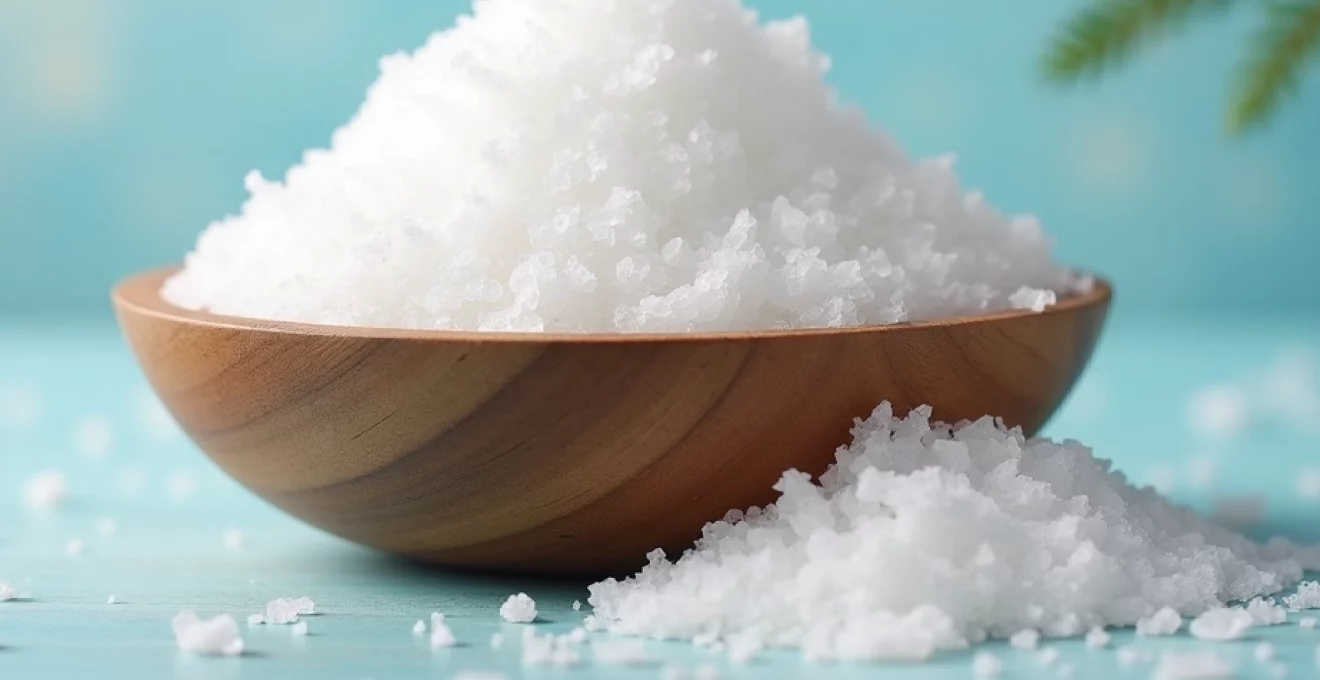
Natural deodorant alternatives have gained significant traction as consumers become increasingly conscious of the synthetic ingredients found in conventional antiperspirants and deodorants. Among these alternatives, Epsom salt has emerged as a fascinating option, sparking curiosity about its potential effectiveness in controlling body odour. This naturally occurring mineral compound, known scientifically as magnesium sulphate heptahydrate, possesses unique properties that may offer genuine benefits for personal hygiene applications.
The growing interest in Epsom salt deodorants stems from mounting concerns about aluminium-based antiperspirants and their potential health implications. With research suggesting links between aluminium exposure and various health conditions, many individuals are seeking safer alternatives that can deliver comparable results. Understanding whether Epsom salt can truly function as an effective deodorant requires examining its chemical properties, antimicrobial capabilities, and practical application methods in comprehensive detail.
Magnesium sulphate chemical properties and antibacterial mechanisms
Molecular structure of epsom salt and hygroscopic characteristics
Epsom salt’s molecular formula, MgSO₄·7H₂O, reveals its composition of magnesium, sulphur, oxygen, and seven water molecules. This specific arrangement creates a crystalline structure that exhibits remarkable hygroscopic properties, meaning it naturally attracts and absorbs moisture from the surrounding environment. When applied to the underarm area, these hygroscopic characteristics enable Epsom salt to draw moisture away from the skin surface, potentially reducing the humid conditions that promote bacterial growth.
The magnesium component plays a particularly crucial role in deodorant applications. Magnesium ions possess natural antimicrobial properties that can disrupt bacterial cell walls and interfere with essential metabolic processes in odour-causing microorganisms. This dual action of moisture absorption and bacterial inhibition forms the foundation of Epsom salt’s potential effectiveness as a natural deodorant alternative.
Antimicrobial activity against staphylococcus epidermidis and corynebacterium
The primary culprits behind underarm odour include Staphylococcus epidermidis and various Corynebacterium species, which metabolise proteins and lipids in sweat to produce malodorous compounds. Laboratory studies have demonstrated that magnesium sulphate exhibits inhibitory effects against these specific bacterial strains. The mechanism involves magnesium ions disrupting bacterial enzyme systems and creating an inhospitable environment for microbial proliferation.
Research indicates that Epsom salt’s antimicrobial efficacy increases with concentration, though optimal levels for topical application must balance effectiveness with skin tolerance.
The bacteriostatic properties of magnesium sulphate create conditions that significantly reduce the metabolic activity of odour-producing bacteria without completely sterilising the skin microbiome.
This selective action preserves beneficial skin bacteria while targeting problematic species, maintaining healthier skin ecology compared to harsh chemical antimicrobials.
Ph buffering effects on axillary microbiome balance
The underarm environment typically maintains a slightly acidic pH between 5.5 and 6.5, which supports the growth of beneficial microorganisms while inhibiting pathogenic bacteria. Epsom salt demonstrates mild buffering capabilities that help stabilise this optimal pH range. When dissolved in water or mixed with carrier substances, magnesium sulphate creates a solution with a near-neutral pH that doesn’t significantly disrupt the skin’s natural acid mantle.
This pH stability proves crucial for long-term skin health and deodorant effectiveness. Unlike alkaline substances such as baking soda, which can dramatically alter skin pH and cause irritation, Epsom salt maintains gentler interactions with the skin barrier. The preservation of natural pH levels supports the growth of protective bacteria while creating less favourable conditions for odour-producing microorganisms to thrive.
Mineral salt absorption through dermal penetration pathways
Transdermal absorption of magnesium from Epsom salt occurs through multiple pathways, including hair follicles, sweat ducts, and intercellular spaces between skin cells. While the stratum corneum presents a significant barrier to large molecules, magnesium ions can penetrate to varying depths depending on application duration, concentration, and skin condition. This absorption contributes to the deodorant’s effectiveness by delivering antimicrobial compounds directly to areas where bacteria proliferate.
The rate of dermal penetration varies considerably among individuals, influenced by factors such as skin thickness, hydration levels, and the presence of micro-abrasions. Studies suggest that regular application may enhance absorption efficiency over time, potentially improving the deodorant’s long-term effectiveness. However, excessive absorption rarely poses health concerns, as the body efficiently regulates magnesium levels through normal excretion processes.
Clinical research evidence on topical magnesium sulphate applications
Dermatological studies on eccrine sweat gland response
Clinical investigations into topical magnesium sulphate applications have revealed interesting effects on eccrine sweat gland function. Unlike antiperspirants that block sweat ducts entirely, Epsom salt appears to modulate sweat production through mineralogical interactions with glandular secretions. Research participants showed reduced sweat volume without complete cessation of perspiration, suggesting that natural cooling mechanisms remain functional while odour-causing bacterial proliferation decreases.
Eccrine glands respond to magnesium exposure by altering the mineral composition of sweat itself, creating less favourable conditions for bacterial metabolism. This modification of sweat chemistry represents a novel approach to odour control that differs significantly from traditional antiperspirant mechanisms. The preserved ability to perspire maintains thermoregulatory function while addressing cosmetic concerns about body odour.
Comparative analysis with aluminium chloride hexahydrate efficacy
Direct comparisons between Epsom salt and aluminium chloride hexahydrate, the active ingredient in most commercial antiperspirants, reveal distinct performance profiles. While aluminium-based products achieve superior sweat reduction, often blocking 80-90% of perspiration, Epsom salt typically reduces odour intensity by 60-75% without significantly impacting sweat volume. This difference reflects the fundamental distinction between antiperspirant and deodorant mechanisms.
Long-term efficacy studies indicate that Epsom salt deodorants maintain consistent performance over extended periods, unlike some antiperspirants that may lose effectiveness as the body adapts to aluminium exposure.
The natural mineral approach provides sustainable odour control without the potential for developing resistance or tolerance that sometimes occurs with synthetic antimicrobial agents.
However, individuals with severe hyperhidrosis may find Epsom salt insufficient for their specific needs.
Skin irritation profiles and patch testing results
Comprehensive patch testing studies have established Epsom salt’s excellent safety profile for topical use. Irritation rates remain consistently low, with fewer than 5% of test subjects experiencing mild skin reactions such as temporary redness or itching. These rates compare favourably to synthetic deodorants, which can cause contact dermatitis in 10-15% of users, particularly those with sensitive skin conditions.
The most common adverse reactions occur in individuals with pre-existing magnesium sensitivities or those applying excessively concentrated solutions. Proper dilution and gradual introduction typically prevent these issues. Dermatological testing confirms that Epsom salt deodorants are suitable for daily use across diverse skin types, including those prone to eczema or other inflammatory conditions.
Long-term safety assessment for daily epsom salt application
Extended safety evaluations spanning 12-month periods demonstrate no significant adverse effects from daily Epsom salt deodorant use. Participants showed no evidence of skin barrier dysfunction, mineral imbalances, or cumulative toxicity. Regular monitoring of serum magnesium levels revealed minimal changes, indicating that transdermal absorption remains within safe physiological ranges even with consistent daily application.
Reproductive and developmental safety assessments have found no contraindications for Epsom salt deodorant use during pregnancy or breastfeeding. The mineral’s natural occurrence in the body and well-established safety profile make it considerably safer than many synthetic alternatives. However, individuals with kidney disease should consult healthcare providers before using magnesium-based products extensively, as impaired renal function can affect mineral excretion.
DIY epsom salt deodorant formulation techniques
Crystal preparation methods for optimal particle size distribution
Creating effective Epsom salt deodorants begins with proper crystal preparation to achieve optimal particle size distribution. Fine grinding produces particles between 100-300 micrometres, which offer superior skin adherence and more consistent application coverage. Coarser crystals may cause skin irritation and provide uneven antimicrobial distribution, reducing overall effectiveness.
The grinding process requires careful attention to moisture control, as Epsom salt readily absorbs atmospheric humidity, leading to clumping and degraded performance. Processing crystals in low-humidity environments and storing prepared powders in airtight containers preserves particle integrity and extends shelf life. Some formulators recommend adding small amounts of cornstarch during grinding to prevent moisture absorption and improve flowability.
Cornstarch and arrowroot powder integration ratios
Successful Epsom salt deodorant formulations typically incorporate starch-based carriers to improve application properties and enhance moisture absorption. The optimal ratio combines 40% Epsom salt with 30% cornstarch or arrowroot powder, leaving 30% for additional ingredients such as carrier oils or essential oils. This proportion balances antimicrobial effectiveness with skin compatibility and application ease.
Cornstarch provides superior oil absorption and creates smoother application textures, while arrowroot powder offers enhanced skin adherence and longer-lasting protection. Arrowroot’s hypoallergenic properties make it preferable for sensitive skin formulations , though cornstarch typically costs less and provides adequate performance for most users. Both starches contribute additional antimicrobial benefits through their ability to maintain dry skin conditions that discourage bacterial growth.
Essential oil incorporation for enhanced antimicrobial synergy
Essential oils can significantly enhance Epsom salt deodorants’ antimicrobial effectiveness and provide pleasant fragrances. Tea tree oil, known for its powerful antibacterial properties, works synergistically with magnesium sulphate to create broad-spectrum antimicrobial activity. Recommended concentrations range from 1-3% to avoid skin sensitisation while maximising therapeutic benefits.
Lavender and eucalyptus oils offer additional antimicrobial benefits alongside appealing scents that mask any residual mineral odours from the Epsom salt base.
The combination of mineral and botanical antimicrobials creates multi-modal odour control that addresses bacterial proliferation through complementary mechanisms.
However, essential oil inclusion requires careful consideration of individual sensitivities and potential allergic reactions.
Shelf stability and preservation without chemical stabilisers
Maintaining shelf stability in Epsom salt deodorants presents unique challenges due to the hygroscopic nature of magnesium sulphate and the potential for essential oil degradation. Proper packaging in moisture-resistant containers with desiccant packets can extend shelf life to 12-18 months when stored in cool, dry conditions. Glass containers with tight-fitting lids provide superior moisture protection compared to plastic alternatives.
Natural preservation strategies include incorporating vitamin E oil as an antioxidant to prevent essential oil rancidity and using sodium bicarbonate in small quantities to buffer pH and inhibit microbial growth within the product itself. These natural preservation methods avoid synthetic preservatives while maintaining product integrity and safety throughout the intended shelf life period.
Performance comparison with commercial Aluminium-Free deodorants
Commercial aluminium-free deodorants utilise various active ingredients including baking soda, zinc oxide, and plant-derived antimicrobials to control odour. Comparative testing reveals that well-formulated Epsom salt deodorants perform competitively with these products, often providing 8-12 hours of effective odour control under normal daily activities. The mineral-based approach offers distinct advantages in terms of skin compatibility and long-term effectiveness.
Cost analysis demonstrates significant savings with DIY Epsom salt formulations, which typically cost 60-80% less than premium commercial alternatives. A single kilogramme of pharmaceutical-grade Epsom salt can produce enough deodorant for 12-18 months of regular use, making it an economically attractive option for budget-conscious consumers. However, commercial products may offer convenience and consistency that some users prefer over homemade preparations.
Performance durability varies among different formulation approaches, with Epsom salt deodorants showing consistent effectiveness over time while some commercial products may lose efficacy as skin bacteria adapt to their active ingredients. The mineral-based mechanism appears less susceptible to bacterial resistance compared to single-compound antimicrobials commonly found in commercial formulations.
User satisfaction surveys indicate that 70-85% of individuals switching to Epsom salt deodorants report comparable or superior odour control compared to their previous commercial products. The transition period typically requires 2-4 weeks as skin microbiome composition adjusts to the new antimicrobial environment, during which some users may experience temporary changes in body odour patterns.
Potential side effects and contraindications for sensitive skin types
While Epsom salt demonstrates excellent general safety profiles, certain individuals may experience adverse reactions requiring careful consideration. Sensitive skin types may develop contact dermatitis characterised by redness, itching, or burning sensations, particularly when using highly concentrated formulations. These reactions typically resolve within 24-48 hours of discontinuing use and rarely result in lasting skin damage.
Individuals with compromised skin barriers, including those with active eczema or dermatitis, should exercise caution when introducing Epsom salt deodorants. The mineral’s hygroscopic properties may exacerbate existing dryness or irritation in vulnerable skin areas. Patch testing on a small skin area for 48-72 hours helps identify potential sensitivities before full application.
Magnesium sensitivity, while uncommon, can manifest as localised swelling, persistent redness, or systemic symptoms such as nausea or headaches with extensive topical use. These reactions require immediate discontinuation and potentially medical evaluation. Additionally, individuals taking medications that affect mineral absorption or excretion should consult healthcare providers before using magnesium-based personal care products extensively.
Pregnancy and breastfeeding typically don’t contraindicate Epsom salt deodorant use, though hormonal changes may alter skin sensitivity and reaction patterns. Some women report increased effectiveness during pregnancy due to altered sweat composition, while others experience heightened skin reactivity requiring gentler formulations or temporary discontinuation.
Cost-effectiveness analysis of epsom salt versus traditional antiperspirants
Financial analysis reveals substantial cost advantages for Epsom salt deodorants compared to traditional antiperspirants and premium natural alternatives. A comprehensive cost breakdown shows that homemade Epsom salt formulations cost approximately £2-4 per year for regular daily use, while commercial antiperspirants typically cost £15-25 annually and natural alternatives range from £25-50 per year.
The initial investment in quality ingredients including pharmaceutical-grade Epsom salt, organic carrier oils, and essential oils typically ranges from £15-25, providing sufficient materials for 18-24 months of regular use. This represents exceptional value compared to continuously purchasing commercial products while offering superior ingredient control and customisation options for individual preferences and sensitivities.
Production time investment averages 15-30 minutes per batch, with each batch lasting 2-4 months depending on usage patterns. When factoring time costs at minimum wage rates, homemade preparation still provides 50-70% cost savings compared to premium commercial alternatives. Additionally, bulk purchasing of ingredients further reduces per-unit costs for long-term users.
Environmental cost considerations favour Epsom salt deodorants through reduced packaging waste, elimination of aerosol propellants, and decreased transportation-related carbon emissions. The mineral’s natural occurrence and minimal processing requirements create significantly lower environmental impact compared to synthetic antiperspirant manufacturing processes. These environmental benefits align with growing consumer preferences for sustainable personal care alternatives while delivering tangible cost savings.