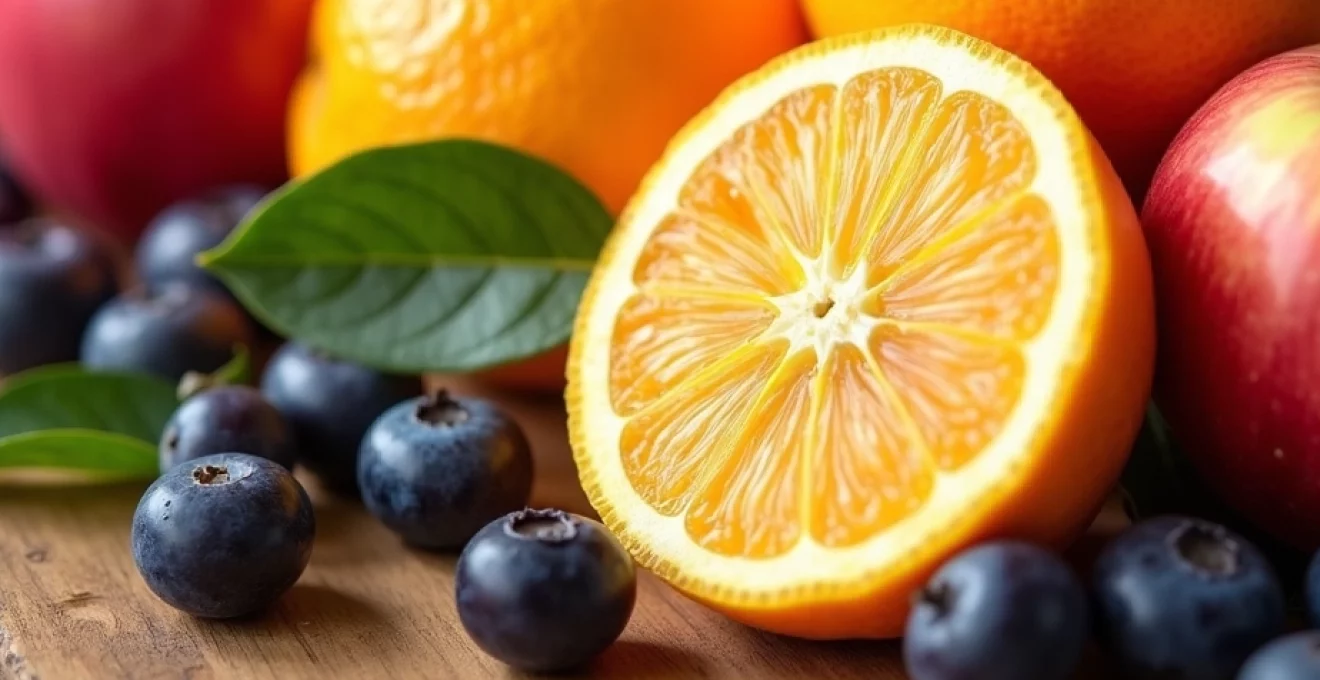
Understanding the fructose content in fruits has become increasingly important for individuals managing dietary restrictions, blood sugar levels, and digestive sensitivities. Fructose concentration varies dramatically across different fruit species , with some containing minimal amounts while others pack substantial levels that can impact metabolic health. Modern dietary awareness has shifted focus toward identifying which fruits provide the highest fructose loads, particularly as research continues to explore the relationship between excessive fructose consumption and various health conditions including non-alcoholic fatty liver disease and metabolic syndrome.
Fructose biochemistry and metabolic pathways in common fruits
The biochemical composition of fruits reveals fascinating variations in sugar profiles that directly influence how the human body processes these natural sweeteners. Unlike glucose, which can be metabolised by virtually every cell in the body, fructose follows a unique metabolic pathway that places primary responsibility on the liver for processing. This fundamental difference explains why certain fruits may trigger different physiological responses despite containing similar total sugar content.
Hexose sugar composition: fructose vs glucose ratios
The fructose-to-glucose ratio serves as a critical indicator for determining fruit tolerance, particularly among individuals with fructose malabsorption. Fruits with ratios exceeding 1.0 typically contain more fructose than glucose, potentially causing digestive distress in sensitive individuals. Research indicates that maintaining fructose-glucose ratios below 1.0 significantly improves tolerance among those with fructose sensitivity.
Apples demonstrate one of the highest fructose-glucose ratios at approximately 2.8, containing roughly 6 grams of fructose per 100 grams compared to only 2 grams of glucose. This dramatic imbalance explains why apples frequently appear on restricted lists for individuals following low-FODMAP diets. Conversely, bananas maintain a more balanced profile with a ratio of 1.0, containing equal amounts of fructose and glucose.
Enzymatic fructose metabolism through hepatic processing
The liver’s role in fructose metabolism involves several key enzymes that distinguish this process from glucose metabolism. Fructokinase catalyses the initial phosphorylation of fructose to fructose-1-phosphate, bypassing the regulatory mechanisms that control glucose metabolism. This unrestricted pathway allows rapid fructose conversion, potentially overwhelming hepatic capacity when consumed in large quantities.
Studies demonstrate that consuming between 25-40 grams of fructose daily represents a safe intake threshold for most individuals. Exceeding this threshold may lead to incomplete absorption , resulting in gastrointestinal symptoms including bloating, cramping, and altered bowel movements. The enzymatic processing capacity varies among individuals, explaining why fructose tolerance differs significantly between people.
Glycemic index variations in High-Fructose fruit varieties
High-fructose fruits typically exhibit lower glycemic index values compared to glucose-rich alternatives, creating a complex relationship between sugar content and blood glucose response. Fructose produces minimal immediate impact on blood glucose levels, as it requires hepatic conversion before entering systemic circulation. However, this delayed response can mask the metabolic burden placed on the liver during processing.
Mangoes, despite containing substantial fructose levels averaging 32.4 grams per fruit, maintain a moderate glycemic index due to their fructose dominance. This characteristic makes them potentially suitable for individuals monitoring blood glucose while simultaneously problematic for those with fructose sensitivities. Understanding these nuances helps inform dietary choices based on individual metabolic requirements.
Sorbitol and polyol alcohol content in stone fruits
Stone fruits frequently contain significant sorbitol concentrations alongside elevated fructose levels, creating a compound challenge for individuals with fructose malabsorption. Sorbitol, a sugar alcohol naturally occurring in these fruits, shares similar absorption pathways with fructose, potentially exacerbating digestive symptoms when consumed together. The combination of fructose and sorbitol creates a synergistic effect that often intensifies gastrointestinal distress.
Cherries exemplify this dual challenge, containing both substantial fructose content and notable sorbitol levels. Sweet cherries provide approximately 6-7 grams of fructose per 100 grams while simultaneously delivering measurable sorbitol quantities. This combination explains why cherries frequently trigger symptoms in fructose-sensitive individuals despite their moderate fructose-glucose ratio of 0.9.
Tree fruits with elevated fructose concentrations
Tree-borne fruits represent some of the highest fructose sources in the natural world, with several species consistently ranking among the most problematic for fructose-sensitive individuals. The evolutionary development of these fruits has favoured high sugar concentrations to attract animal dispersers, resulting in varieties that can overwhelm human digestive capacity when consumed in typical serving sizes.
Malus domestica varieties: gala, fuji, and red delicious analysis
Apple varieties demonstrate remarkable consistency in their high fructose content, with most cultivars containing 9-12 grams of fructose per medium-sized fruit. Gala apples typically provide 9.5 grams of fructose per fruit, while Fuji varieties can reach slightly higher concentrations due to their enhanced sweetness breeding. Red Delicious apples maintain similar fructose levels despite their distinct flavour profile, confirming that variety selection has minimal impact on fructose content within the species.
The cellular structure of apples concentrates fructose primarily in the flesh surrounding the core, with skin contributing minimal additional sugars. Processing apples into juice eliminates beneficial fibre that naturally slows fructose absorption, creating a concentrated fructose delivery system that can rapidly overwhelm digestive capacity. Fresh apple consumption provides protective fibre benefits while maintaining the full fructose load.
Pyrus communis cultivars: bartlett and anjou fructose profiles
Pears consistently rank among the highest fructose fruits, with most varieties containing 11-12 grams per medium fruit. Bartlett pears, popular for their buttery texture and sweet flavour, deliver approximately 11.8 grams of fructose alongside significant sorbitol content. Anjou pears maintain similar fructose concentrations while offering slightly different texture characteristics that don’t significantly alter their sugar profile.
The ripening process in pears converts starches to sugars, with fructose accumulating as the primary end product. Fully ripened pears contain substantially higher fructose concentrations compared to their underripe counterparts, making ripeness assessment crucial for individuals monitoring fructose intake. The soft, juicy texture that indicates optimal ripeness simultaneously signals peak fructose concentration.
Prunus persica and prunus armeniaca monosaccharide content
Peaches and apricots present moderate fructose levels compared to apples and pears, with fresh peaches containing approximately 1-4 grams of fructose per fruit depending on size and variety. However, their significant sorbitol content creates additional digestive challenges for sensitive individuals. The stone fruit family’s combination of fructose and polyol alcohols often produces more severe symptoms than pure fructose sources.
Apricots contribute roughly 1.3 grams of fructose per fresh fruit, making them relatively low in absolute fructose content. However, dried apricots concentrate these sugars dramatically, with typical serving sizes providing 3-5 times the fructose load of fresh varieties. The dehydration process eliminates water while preserving and concentrating all sugar compounds, including both fructose and sorbitol.
Citrus paradisi and citrus sinensis carbohydrate composition
Grapefruit and oranges maintain relatively balanced fructose-glucose ratios, with oranges containing approximately 6.1 grams of fructose per medium fruit and a favourable fructose-glucose ratio of 1.1. Grapefruit provides even lower fructose concentrations at roughly 2 grams per 100 grams, making it among the most tolerable citrus options for fructose-sensitive individuals. The natural acidity in citrus fruits may enhance fructose absorption , potentially improving tolerance compared to other high-fructose options.
Citrus juice processing dramatically alters the fructose delivery profile by removing protective pulp and fibre. Fresh orange juice can contain 6-8 grams of fructose per 8-ounce serving, delivered rapidly without the buffering effect of whole fruit fibre. This concentrated delivery system bypasses natural satiety mechanisms while overwhelming digestive capacity more readily than whole fruit consumption.
Tropical and subtropical High-Fructose species
Tropical fruits often contain some of the highest fructose concentrations found in nature, with several species delivering extraordinary sugar loads that can challenge even individuals with normal fructose tolerance. The warm growing climates and extended ripening periods characteristic of tropical regions promote intense sugar accumulation, particularly fructose synthesis.
Mangoes stand out as exceptional fructose sources, with a single large fruit potentially containing 30-35 grams of fructose. This massive concentration exceeds the recommended daily fructose threshold in a single serving, making portion control essential for mango consumption. The fruit’s popularity and sweet flavour can easily lead to overconsumption, particularly when incorporated into smoothies or fruit salads where serving sizes become less apparent.
Jackfruit represents another tropical powerhouse, containing approximately 9-15 grams of fructose per 100 grams of flesh. The substantial size of jackfruit portions means that typical servings can easily deliver 20-30 grams of fructose. Persimmons, while not strictly tropical, thrive in subtropical climates and contain roughly 10.6 grams of fructose per fruit, making them notable contributors to dietary fructose intake.
Watermelon presents an interesting case within tropical and subtropical fruits due to its high water content and moderate fructose concentration per gram. However, typical watermelon servings are substantially larger than other fruits, with a standard wedge containing approximately 11.3 grams of fructose. The refreshing nature and high water content can encourage consumption of multiple servings, particularly during hot weather, leading to cumulative fructose loads that exceed tolerance thresholds.
Vine and bush fruits: fructose content analysis
Fruits growing on vines and bushes present diverse fructose profiles ranging from relatively low concentrations in certain berries to substantial levels in grape varieties. These growing patterns influence sugar development through different mechanisms, including varied ripening timeframes and environmental exposure patterns that affect final fructose concentrations.
Vitis vinifera table grape varieties: thompson seedless and red globe
Table grapes consistently deliver high fructose content, with most varieties containing 12-15 grams of fructose per cup serving. Thompson Seedless grapes, popular for their sweet flavour and convenient seedless nature, provide approximately 12.3 grams of fructose per cup. Red Globe varieties maintain similar fructose concentrations while offering different flavour profiles and larger individual berry sizes.
The vine-ripening process in grapes allows for extended sugar accumulation, with fructose development continuing until harvest. Commercial grape production often prioritises sugar content for consumer appeal, leading to varieties with enhanced fructose concentrations compared to wild grape species. Dried grapes, commonly consumed as raisins, concentrate these sugars dramatically, with a mere third-cup serving delivering 16.4 grams of fructose.
Vaccinium species: blueberry and cranberry sugar profiles
Blueberries occupy a middle position in fructose content among berry species, containing approximately 7.4 grams of fructose per cup serving. While this represents a moderate level compared to tree fruits, the easy consumption of large berry servings can lead to significant cumulative fructose intake. Fresh blueberries provide beneficial antioxidants alongside their fructose content , creating a complex risk-benefit calculation for individuals managing fructose intake.
Cranberries in their fresh state contain relatively low fructose levels at 0.7 grams per cup, making them among the most tolerable berry options for fructose-sensitive individuals. However, commercial cranberry products typically involve substantial added sugars due to the fruit’s naturally tart flavour, dramatically altering their fructose profile. Cranberry juice cocktails can contain 14+ grams of added fructose per serving, transforming a low-fructose fruit into a high-fructose beverage.
Fragaria × ananassa cultivar fructose measurements
Strawberries demonstrate relatively moderate fructose content at 3.8 grams per cup, accompanied by a slightly elevated fructose-glucose ratio of 1.1. The widespread popularity and easy consumption of strawberries means that multiple cup servings are common, particularly in desserts and smoothie applications. Processing strawberries into jams concentrates fructose significantly , with commercial strawberry preserves containing 19+ grams of fructose per 100 grams.
Cultivation practices influence strawberry fructose development, with fully ripened berries containing higher concentrations than their underripe counterparts. The visual appeal of bright red, fully ripe strawberries correlates directly with peak fructose content, creating a natural selection pressure toward higher-sugar consumption. Frozen strawberry processing maintains fructose levels while extending storage life, making year-round consumption of consistent fructose loads possible.
Dried fruit fructose concentration through dehydration processes
The dehydration process fundamentally transforms fruit fructose profiles by removing water while concentrating all sugar compounds, creating some of the most potent fructose sources available in natural foods. Dried fruits typically contain 4-8 times the fructose concentration of their fresh counterparts, making portion awareness critical for individuals monitoring fructose intake.
Dried figs exemplify this concentration effect, containing approximately 23 grams of fructose per cup compared to much lower levels in fresh figs. The chewy texture and reduced volume of dried figs can easily lead to consumption of multiple servings without the natural satiety signals provided by fresh fruit’s water content and fibre matrix. Similarly, dates provide 25 grams of fructose per 100 grams, with a single Medjool date containing 7.7 grams of concentrated fructose.
Raisins represent one of the most concentrated natural fructose sources, delivering 32 grams of fructose per 100 grams of product.
The commercial drying process often involves additional sugar coating or sweetening agents that further elevate fructose content beyond natural levels. Sweetened dried cranberries, for example, contain up to 27 grams of fructose per 100 grams due to added sugars compensating for the fruit’s natural tartness. This processing creates products that bear little resemblance to their fresh fruit origins in terms of fructose delivery and metabolic impact.
Dried apples maintain their problematic fructose-glucose ratio while concentrating absolute fructose levels to 29 grams per 100 grams. The transformation from fresh apple to dried apple represents a roughly 5-fold increase in fructose density , meaning that small handful servings can deliver fructose loads equivalent to consuming multiple fresh fruits. Understanding these concentration effects helps explain why dried fruits often trigger symptoms in individuals who tolerate fresh varieties without difficulty.
Clinical implications of High-Fructose fruit consumption for FODMAP-Sensitive individuals
The relationship between high-fructose fruits and FODMAP sensitivity creates complex dietary management challenges that require sophisticated understanding of both fructose content and individual tolerance thresholds. Clinical research indicates that approximately 30% of individuals with fructose intolerance also experience lactose intolerance, suggesting broader digestive sensitivities that complicate fruit selection strategies.
FODMAP elimination protocols typically restrict fruits containing excess fructose, defined as fructose content exceeding glucose by significant margins. This restriction affects many commonly consumed fruits , including apples, pears, mangoes, and watermelons, requiring substantial dietary modifications for affected individuals. The elimination phase of FODMAP protocols serves to establish baseline symptom levels before systematic reintroduction testing.
Research suggests that fructose tolerance can be improved through co-consumption with glucose-containing foods, potentially expanding dietary options for sensitive individuals.
The reintroduction phase allows for systematic testing of individual fruits to establish personal tolerance levels, with many individuals discovering they can tolerate small portions of previously problematic fruits when consumed under controlled conditions. Timing and co-consumption strategies significantly influence fructose tolerance , with glucose-rich foods potentially improving absorption and reducing symptoms.
Clinical management often involves maintaining fructose intake below individual threshold levels while ensuring nutritional adequacy through careful fruit selection. Healthcare providers typically recommend starting with low-fructose options such as citrus fruits, berries, and small portions of stone fruits before progressing to higher-fructose varieties. The goal involves maximising dietary variety while maintaining symptom control, requiring ongoing assessment and adjustment based on individual responses.
Portion control becomes paramount when managing high-fructose fruit consumption, with recommended serving sizes often smaller than typical consumer preferences. A single serving of grapes, for example, should be limited to approximately 15 individual berries rather than the cup-sized portions commonly consumed. Understanding these modified serving sizes helps FODMAP-sensitive individuals maintain symptom control while preserving nutritional benefits from fruit consumption.
The synergistic effects between fructose and other FODMAPs compound the challenge for sensitive individuals, as many high-fructose fruits also contain sorbitol, fructans, or other problematic compounds. This overlap requires comprehensive dietary assessment rather than focusing solely on fructose content, with professional dietetic guidance essential for developing sustainable management strategies that address multiple FODMAP sensitivities simultaneously.
Clinical studies demonstrate that structured FODMAP reintroduction protocols can help up to 75% of individuals identify their specific trigger foods and establish personalised dietary guidelines for long-term symptom management.
Long-term dietary adherence requires balancing symptom management with nutritional adequacy, social flexibility, and quality of life considerations. Many individuals discover that complete fruit avoidance is unnecessary, with strategic selection and portion control allowing for enjoyable dietary variety. The key lies in understanding individual tolerance patterns rather than following restrictive protocols indefinitely, enabling sustainable dietary approaches that support both digestive health and overall nutritional well-being.
Emerging research continues to refine our understanding of fructose metabolism variations among individuals, suggesting that personalised approaches based on genetic factors, gut microbiome composition, and metabolic health status may eventually replace current one-size-fits-all dietary recommendations. This evolving field offers hope for more precise dietary management strategies that maximise fruit consumption benefits while minimising adverse effects for sensitive populations.