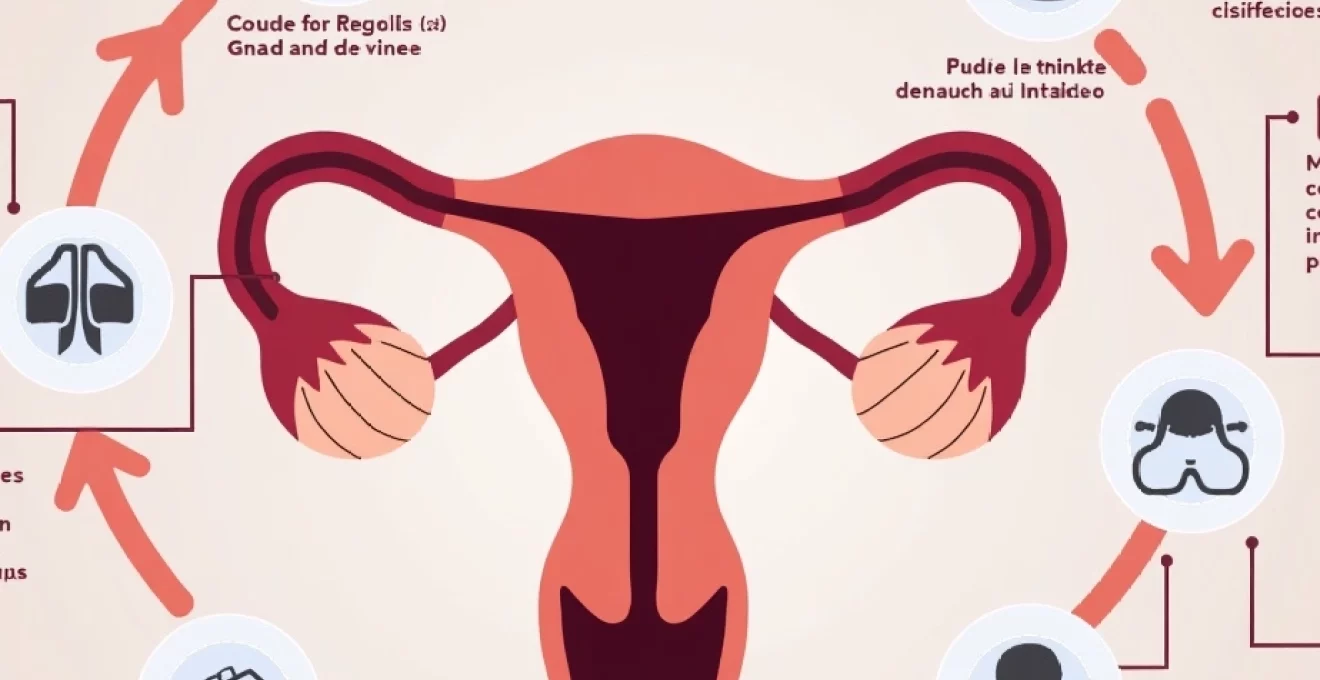
The intricate relationship between hormonal fluctuations and mental wellbeing represents one of the most profound examples of mind-body connection in human physiology. For millions of women worldwide, the monthly ebb and flow of reproductive hormones creates a predictable yet complex pattern of psychological and emotional changes that can significantly impact daily functioning, relationships, and overall quality of life. Understanding these cyclical variations in mood, cognition, and behaviour provides crucial insights into women’s mental health and offers pathways for more effective treatment approaches.
Recent advances in neuroscience and endocrinology have revealed the sophisticated mechanisms through which oestrogen, progesterone, and other hormones influence neurotransmitter systems, brain structure, and emotional regulation. These discoveries have transformed our comprehension of conditions ranging from premenstrual syndrome to severe psychiatric disorders, highlighting the need for gender-specific approaches to mental health care that acknowledge the unique challenges faced by menstruating individuals.
Hormonal fluctuations throughout the menstrual cycle and neurochemical impact
The menstrual cycle orchestrates a complex symphony of hormonal changes that profoundly influence brain chemistry and mental state. These fluctuations create predictable patterns of neurochemical activity that can dramatically alter mood, cognition, and behaviour throughout the monthly cycle. Understanding these patterns provides essential context for addressing menstrual-related mental health concerns and optimising treatment strategies.
Oestrogen and progesterone oscillations during follicular and luteal phases
During the follicular phase, oestrogen levels gradually rise, reaching their peak just before ovulation. This hormonal surge coincides with increased energy levels, enhanced mood stability, and improved cognitive function. Research indicates that oestrogen acts as a natural mood stabiliser, promoting the production of serotonin and other feel-good neurotransmitters. Women often report feeling more confident, optimistic, and mentally sharp during this phase, with many experiencing their most productive and creative periods.
The luteal phase presents a markedly different hormonal landscape. Following ovulation, progesterone becomes the dominant hormone whilst oestrogen levels fluctuate dramatically. This shift can trigger significant mood changes, with many women experiencing increased irritability, anxiety, and depressive symptoms. The rapid decline in both hormones in the days preceding menstruation creates a neurochemical environment that can precipitate severe mood disturbances in susceptible individuals.
Serotonin synthesis modulation by ovarian hormone variations
Serotonin, often called the “happiness hormone,” demonstrates remarkable sensitivity to ovarian hormone fluctuations throughout the menstrual cycle. Oestrogen enhances serotonin synthesis by increasing the availability of tryptophan, the amino acid precursor to serotonin production. This relationship explains why many women experience improved mood and reduced anxiety during the follicular phase when oestrogen levels are ascending.
Conversely, the luteal phase witnesses a complex interplay between progesterone metabolites and serotonin function. Allopregnanolone, a progesterone metabolite, can initially enhance mood by modulating GABA receptors. However, as progesterone levels decline in the premenstrual period, serotonin synthesis becomes compromised, potentially triggering depressive episodes and anxiety attacks. This neurochemical vulnerability underlies many premenstrual mood disorders and highlights the importance of monitoring serotonin function throughout the cycle.
GABA neurotransmitter system disruption during premenstrual period
The gamma-aminobutyric acid (GABA) system, responsible for promoting calmness and reducing neural excitability, experiences significant disruption during the premenstrual period. Progesterone and its metabolites typically enhance GABA-A receptor function, creating anxiolytic effects that promote relaxation and sleep. However, the rapid withdrawal of these hormones in the days before menstruation can lead to a phenomenon known as GABA withdrawal syndrome.
This withdrawal creates a state of neural hyperexcitability characterised by increased anxiety, irritability, and sleep disturbances. The brain essentially experiences a “rebound effect” similar to benzodiazepine withdrawal, explaining why some women develop severe anxiety and panic symptoms during the premenstrual period. Understanding this mechanism has led to targeted treatment approaches that support GABA function during vulnerable periods.
Cortisol and HPA axis dysregulation in menstrual cycle phases
The hypothalamic-pituitary-adrenal (HPA) axis, the body’s primary stress response system, demonstrates notable variations throughout the menstrual cycle. Cortisol patterns shift significantly between cycle phases, with some research suggesting heightened cortisol reactivity during the luteal phase. This increased stress sensitivity can amplify the emotional and physical symptoms associated with premenstrual syndrome and contribute to the development of mood disorders.
Chronic HPA axis dysregulation during the menstrual cycle may contribute to long-term mental health consequences, including increased vulnerability to depression and anxiety disorders. Women with pre-existing mental health conditions often experience symptom exacerbations during periods of hormonal transition, highlighting the importance of integrated treatment approaches that address both hormonal and psychological factors.
Dopamine receptor sensitivity changes across cycle days
Dopamine, the neurotransmitter associated with motivation, reward, and pleasure, exhibits cyclical variations in receptor sensitivity throughout the menstrual cycle. During the follicular phase, increased oestrogen levels enhance dopamine receptor sensitivity, contributing to improved mood, increased motivation, and enhanced reward processing. This neurochemical environment supports goal-directed behaviour and can explain the increased productivity and positive outlook many women experience during this phase.
The luteal phase presents challenges for dopamine function, with progesterone potentially dampening dopamine receptor sensitivity. This reduction can manifest as decreased motivation, anhedonia (reduced ability to experience pleasure), and increased susceptibility to addictive behaviours. Some women report increased cravings for high-dopamine activities such as shopping, eating, or substance use during this period, reflecting the brain’s attempt to compensate for reduced dopaminergic activity.
Premenstrual dysphoric disorder and severe mood disturbances
Premenstrual Dysphoric Disorder (PMDD) represents the severe end of the spectrum of menstrual-related mood disorders, affecting approximately 3-8% of menstruating women. Unlike typical premenstrual syndrome, PMDD involves debilitating psychological symptoms that significantly impair daily functioning and quality of life. This condition demonstrates the profound impact that hormonal fluctuations can have on mental health and highlights the need for specialised treatment approaches.
DSM-5 diagnostic criteria for PMDD classification
The Diagnostic and Statistical Manual of Mental Disorders, Fifth Edition (DSM-5), recognises PMDD as a distinct depressive disorder with specific diagnostic criteria. To receive a PMDD diagnosis, individuals must experience at least five symptoms during the luteal phase of most menstrual cycles, with symptoms resolving within days of menstruation onset. These symptoms must include at least one core mood symptom: marked affective lability, irritability, depressed mood, or anxiety.
The diagnostic framework emphasises the cyclical nature of symptoms and their significant impact on social, occupational, or interpersonal functioning. This recognition has been crucial for legitimising the experiences of women with severe premenstrual symptoms and ensuring access to appropriate mental health care. The inclusion of PMDD in the DSM-5 also facilitates research into effective treatments and promotes better understanding of hormone-related mood disorders.
The cyclical nature of PMDD symptoms, appearing predictably during the luteal phase and resolving with menstruation, distinguishes this condition from other mood disorders and underscores the critical role of hormonal fluctuations in mental health.
Allopregnanolone deficiency and GABA-A receptor dysfunction
Emerging research suggests that PMDD may result from abnormal sensitivity to normal hormonal fluctuations rather than abnormal hormone levels themselves. Allopregnanolone, a powerful neuroactive steroid derived from progesterone, plays a crucial role in modulating GABA-A receptor function. In women with PMDD, the production or utilisation of allopregnanolone may be impaired, leading to inadequate GABA-mediated inhibition during the luteal phase.
This dysfunction creates a state of neural hyperexcitability that manifests as severe anxiety, irritability, and mood instability. The discovery of this mechanism has opened new avenues for treatment, including medications that enhance GABA function or stabilise allopregnanolone levels. Understanding these neurobiological underpinnings helps validate the severity of PMDD symptoms and supports the development of targeted therapeutic interventions.
Selective serotonin reuptake inhibitors for PMDD management
Selective Serotonin Reuptake Inhibitors (SSRIs) have emerged as first-line pharmacological treatments for PMDD, demonstrating remarkable efficacy in managing severe premenstrual symptoms. Unlike their use in depression, SSRIs for PMDD can be prescribed intermittently, administered only during the luteal phase when symptoms occur. This approach minimises side effects whilst providing targeted symptom relief during vulnerable periods.
The rapid onset of action seen with SSRIs in PMDD treatment differs significantly from their delayed effects in depression, suggesting distinct mechanisms of action. Research indicates that SSRIs may work by enhancing serotonin sensitivity rather than simply increasing serotonin levels, explaining their quick therapeutic effects in this context. Commonly prescribed SSRIs for PMDD include sertraline, fluoxetine, and paroxetine, with response rates ranging from 60-90% in clinical trials.
Cognitive behavioural therapy interventions for premenstrual symptoms
Cognitive Behavioural Therapy (CBT) offers valuable non-pharmacological support for women experiencing premenstrual mood disturbances. CBT interventions focus on identifying and modifying negative thought patterns, developing coping strategies, and improving stress management skills. Specific techniques include cycle tracking to identify symptom patterns, cognitive restructuring to address catastrophic thinking, and behavioural activation to maintain engagement in meaningful activities during symptomatic periods.
Research demonstrates that CBT can significantly reduce PMDD symptom severity and improve quality of life. The therapy helps women develop a sense of control over their symptoms and provides practical tools for managing difficult periods. Group CBT formats have shown particular promise, offering peer support and normalising the experiences of women with severe premenstrual symptoms. These interventions can be used alone for mild to moderate symptoms or in combination with medication for more severe presentations.
Menstrual-related anxiety and panic disorder exacerbations
The relationship between menstrual cycles and anxiety disorders reveals complex interactions between hormonal fluctuations and neural circuits involved in fear and stress responses. Many women with pre-existing anxiety conditions experience significant symptom variations throughout their menstrual cycle, with particular vulnerability during certain phases. These patterns highlight the importance of considering menstrual factors in anxiety disorder treatment and management strategies.
Catamenial anxiety patterns in perimenopausal women
Catamenial anxiety refers to the cyclical worsening of anxiety symptoms in relation to menstrual phases. This phenomenon becomes particularly pronounced during perimenopause, when hormonal fluctuations become more erratic and unpredictable. Perimenopausal women often experience intensified anxiety symptoms due to declining and irregular oestrogen levels, which disrupt the delicate balance of neurotransmitter systems involved in emotional regulation.
The transition to menopause creates a unique set of challenges for anxiety management. Unpredictable hormone surges and drops can trigger panic attacks, generalised anxiety, and social anxiety symptoms with little warning. Many women report that previously effective anxiety management strategies become less reliable during this transitional period, necessitating adjustments to treatment approaches and increased clinical monitoring.
Progesterone withdrawal and anxiolytic effects loss
Progesterone possesses natural anxiolytic properties through its conversion to allopregnanolone, which enhances GABA-mediated neuronal inhibition. During the luteal phase, progesterone levels rise significantly, providing a natural calming effect that many women experience as reduced anxiety and improved sleep quality. However, the rapid decline in progesterone levels preceding menstruation can create a withdrawal-like state that triggers severe anxiety symptoms.
This progesterone withdrawal syndrome can manifest as panic attacks, generalised anxiety, agoraphobia, and sleep disturbances. Women with pre-existing anxiety disorders may be particularly sensitive to these hormonal changes, experiencing symptom exacerbations that can be mistaken for treatment resistance or medication failure. Recognition of this pattern allows for targeted interventions during vulnerable periods, including temporary medication adjustments or enhanced psychosocial support.
Amygdala hyperactivity during late luteal phase
Neuroimaging studies have revealed increased amygdala reactivity during the late luteal phase, particularly in women with premenstrual mood disorders. The amygdala, a key brain structure involved in fear processing and emotional responses, demonstrates heightened activation in response to negative stimuli during this vulnerable period. This hyperactivity correlates with increased anxiety, irritability, and emotional reactivity commonly experienced premenstrually.
The enhanced amygdala response during the late luteal phase appears to result from the complex interplay between declining oestrogen and progesterone levels and altered neurotransmitter function. This neurobiological finding provides objective evidence for the heightened emotional sensitivity many women report during the premenstrual period and supports the validity of menstrual-related mood and anxiety symptoms as legitimate medical concerns requiring appropriate treatment.
Benzodiazepine sensitivity variations across menstrual phases
The effectiveness and side effects of benzodiazepines can vary significantly across different phases of the menstrual cycle, reflecting changes in GABA receptor sensitivity and drug metabolism. During the luteal phase, when endogenous allopregnanolone levels are elevated, women may experience reduced benzodiazepine efficacy due to receptor tolerance. Conversely, during the follicular phase or premenstrual period, when allopregnanolone levels drop, benzodiazepine sensitivity may increase.
These cyclical variations have important clinical implications for women prescribed benzodiazepines for anxiety disorders. Healthcare providers should consider menstrual cycle factors when prescribing these medications and may need to adjust dosing or timing based on individual cycle patterns. Some women benefit from cycle-specific benzodiazepine protocols, using lower doses during high-sensitivity periods and potentially higher doses during periods of reduced efficacy.
Depression risk factors and menstrual cycle correlations
The relationship between depression and menstrual cycles extends far beyond simple mood fluctuations, encompassing complex interactions between hormonal changes, neurotransmitter function, and psychosocial factors. Women experience depression at twice the rate of men, with much of this disparity attributed to reproductive hormone influences. Understanding these correlations provides crucial insights for preventing, diagnosing, and treating depression in women of reproductive age.
Research consistently demonstrates that women are most vulnerable to developing depression during periods of significant hormonal transition, including puberty, postpartum, and perimenopause. The menstrual cycle represents a monthly microcosm of these larger hormonal transitions, offering valuable opportunities to identify risk factors and implement preventive interventions. Women with irregular menstrual cycles, particularly those with conditions like polycystic ovary syndrome (PCOS), show increased rates of depression and anxiety disorders.
The luteal phase emerges as a particularly high-risk period for depressive symptom onset or exacerbation. During this phase, declining oestrogen and progesterone levels create neurochemical conditions that favour depressive episodes. Serotonin synthesis becomes compromised, stress hormone levels may increase, and sleep patterns often become disrupted. These factors combine to create a perfect storm for mood disorder development, particularly in women with pre-existing vulnerabilities.
The cyclical nature of depression risk throughout the menstrual cycle provides unique opportunities for preventive interventions and targeted treatment approaches that capitalise on periods of hormonal stability and resilience.
Chronic stress interacts synergistically with menstrual cycle factors to increase depression risk. Women experiencing ongoing stressors such as relationship problems, work difficulties, or financial strain may find that their stress resilience varies significantly throughout their cycle. The luteal phase often represents a period of reduced stress tolerance, when relatively minor stressors can trigger disproportionate emotional responses or depressive episodes. This phenomenon highlights the importance of integrated treatment approaches that address both hormonal and psychosocial factors contributing to depression risk.
Cognitive function variations throughout menstrual phases
The menstrual cycle exerts profound influences on cognitive function
, encompassing everything from memory and attention to problem-solving abilities and verbal fluency. These cognitive fluctuations follow predictable patterns that correlate strongly with hormonal changes, providing fascinating insights into the brain’s adaptability and the profound influence of reproductive hormones on neural function.
During the follicular phase, when oestrogen levels are rising, women typically experience enhanced verbal fluency, improved working memory, and increased attention to detail. Research demonstrates that higher oestrogen levels facilitate left-hemisphere brain functions, supporting language processing and sequential reasoning tasks. Many women report feeling mentally sharper and more articulate during this phase, with improved ability to recall words and express complex ideas clearly.
The ovulatory phase represents the peak of cognitive performance for many women, coinciding with maximum oestrogen levels. Executive functions such as planning, decision-making, and multitasking often reach their zenith during this period. Spatial reasoning abilities, typically dominated by male performance patterns, show temporary improvements in women during ovulation, suggesting that hormonal fluctuations can temporarily alter cognitive strengths and preferences.
Conversely, the luteal phase brings distinct cognitive changes characterised by enhanced spatial abilities and improved performance on tasks requiring mental rotation and navigation. Progesterone’s influence during this phase appears to support right-hemisphere brain functions, leading to improved spatial processing and enhanced ability to perceive global patterns rather than focusing on details. However, this phase may also bring difficulties with verbal recall and working memory, particularly in the days immediately preceding menstruation.
The premenstrual period often presents the most significant cognitive challenges, with many women reporting difficulties with concentration, memory lapses, and reduced mental clarity. These symptoms, sometimes termed “brain fog,” reflect the complex neurochemical changes occurring as hormone levels decline rapidly. The disruption to neurotransmitter systems, particularly those involving serotonin and dopamine, can significantly impact cognitive performance and mental efficiency during this vulnerable period.
Evidence-based treatment approaches for menstrual mental health disorders
Effective management of menstrual-related mental health disorders requires comprehensive, evidence-based approaches that address both the biological underpinnings and psychosocial impacts of these conditions. The growing recognition of menstrual mental health as a legitimate medical concern has led to the development of sophisticated treatment protocols that combine pharmacological, psychological, and lifestyle interventions tailored to individual needs and symptom severity.
Hormonal interventions represent a cornerstone of treatment for severe menstrual mental health disorders. Continuous combined oral contraceptives can eliminate monthly hormone fluctuations, providing stable oestrogen and progestogen levels that prevent the cyclical symptoms associated with PMDD and severe PMS. GnRH agonists, which temporarily suppress ovarian function, offer another option for women with refractory symptoms, though long-term use requires careful monitoring due to potential bone density effects.
Nutritional interventions have demonstrated significant efficacy in managing menstrual mental health symptoms. Calcium supplementation (1000-1200mg daily) has shown consistent benefits in reducing mood symptoms, irritability, and anxiety associated with PMS. Magnesium supplementation (200-400mg daily) can help alleviate anxiety, sleep disturbances, and physical symptoms such as bloating and breast tenderness. Vitamin B6 supplementation, while requiring careful dosing to avoid toxicity, may support serotonin synthesis and improve mood regulation throughout the cycle.
Lifestyle modifications form an essential component of comprehensive treatment plans. Regular aerobic exercise has demonstrated remarkable efficacy in reducing premenstrual symptoms, with studies showing 30-60% symptom improvement in women who engage in consistent physical activity. Exercise appears to work through multiple mechanisms, including endorphin release, stress hormone regulation, and improved sleep quality. The timing of exercise can be optimised based on cycle phase, with high-intensity activities often better tolerated during the follicular phase.
The integration of multiple treatment modalities, from pharmacological interventions to lifestyle modifications and psychological support, offers the most comprehensive approach to managing menstrual mental health disorders and optimising quality of life throughout the reproductive years.
Stress management techniques play a crucial role in symptom management, as chronic stress can amplify menstrual-related mood disturbances. Mindfulness-based stress reduction (MBSR) programs have shown particular promise, teaching women to observe their symptoms without judgment and develop healthier coping strategies. Progressive muscle relaxation, deep breathing exercises, and yoga can help regulate the autonomic nervous system and reduce the physiological stress response that often accompanies premenstrual symptoms.
Sleep hygiene optimisation becomes particularly important during vulnerable cycle phases. Women with menstrual mental health disorders often experience sleep disturbances, creating a vicious cycle where poor sleep exacerbates mood symptoms. Treatment protocols should include education about sleep hygiene, consideration of temporary sleep aids during symptomatic periods, and addressing any underlying sleep disorders that may compound menstrual-related symptoms.
Dietary modifications can provide significant symptom relief for many women. Reducing caffeine intake, particularly during the luteal phase, can help minimise anxiety and sleep disturbances. Limiting refined sugars and processed foods may help stabilise blood sugar levels and reduce mood swings. Increasing complex carbohydrates during the premenstrual period can support serotonin production and help manage cravings and mood symptoms. Some women benefit from eliminating alcohol entirely, as it can exacerbate depression and interfere with sleep quality during vulnerable periods.
Light therapy presents an innovative treatment option, particularly for women with seasonal variations in their menstrual mental health symptoms. Bright light exposure (10,000 lux for 30 minutes daily) during winter months or during symptomatic periods may help regulate circadian rhythms and support mood stability. This intervention appears particularly beneficial for women with comorbid seasonal affective disorder or those living in regions with limited natural light exposure.
Peer support and psychoeducation form vital components of comprehensive care. Support groups, whether in-person or online, provide valuable opportunities for women to share experiences, learn coping strategies, and reduce the isolation often associated with menstrual mental health disorders. Educational resources that help women understand their symptoms, track their cycles, and identify personal triggers can empower them to take active roles in their treatment and recovery.
The future of menstrual mental health treatment lies in personalised medicine approaches that consider individual hormonal profiles, genetic factors, and psychosocial circumstances. Emerging technologies such as hormone monitoring apps, wearable devices that track physiological markers, and telemedicine platforms are making sophisticated care more accessible to women worldwide. As our understanding of the complex interactions between hormones, neurotransmitters, and mental health continues to evolve, treatment approaches will become increasingly precise and effective, offering hope for the millions of women whose lives are impacted by menstrual-related mental health challenges.