The pain in your knee has gradually shifted from an occasional nuisance during long walks to a constant companion that disrupts your sleep and limits activities you once enjoyed. You’ve tried physical therapy, anti-inflammatory medications, and cortisone injections, but the relief grows shorter with each treatment cycle. At this crossroads, one question weighs heavily: has the time come for knee replacement surgery, or should you continue managing with conservative approaches?
Knee replacement is never a first-line treatment decision. According to the American Academy of Orthopaedic Surgeons, arthroplasty for symptomatic knee osteoarthritis is performed to relieve pain and restore function only after a structured progression through non-surgical interventions. The surgery represents the logical culmination of a care pathway built on objective clinical criteria, measured functional decline, and documented treatment failures spanning several months.
This article provides educational information about knee replacement decision criteria based on established medical guidelines. It does not constitute personalized medical advice. Only a qualified orthopedic surgeon can evaluate your specific condition, interpret diagnostic tests, and recommend appropriate treatment. Always consult with your healthcare provider before making surgical decisions.
- Understanding knee replacement surgery
- When do conservative treatments stop working?
- Clinical indicators that signal the need for surgery
- How does arthritis severity guide the decision?
- Ideal candidates for knee replacement
- What are the alternatives to surgery?
- Recovery and long-term outcomes
- Making an informed decision about timing
Understanding knee replacement surgery
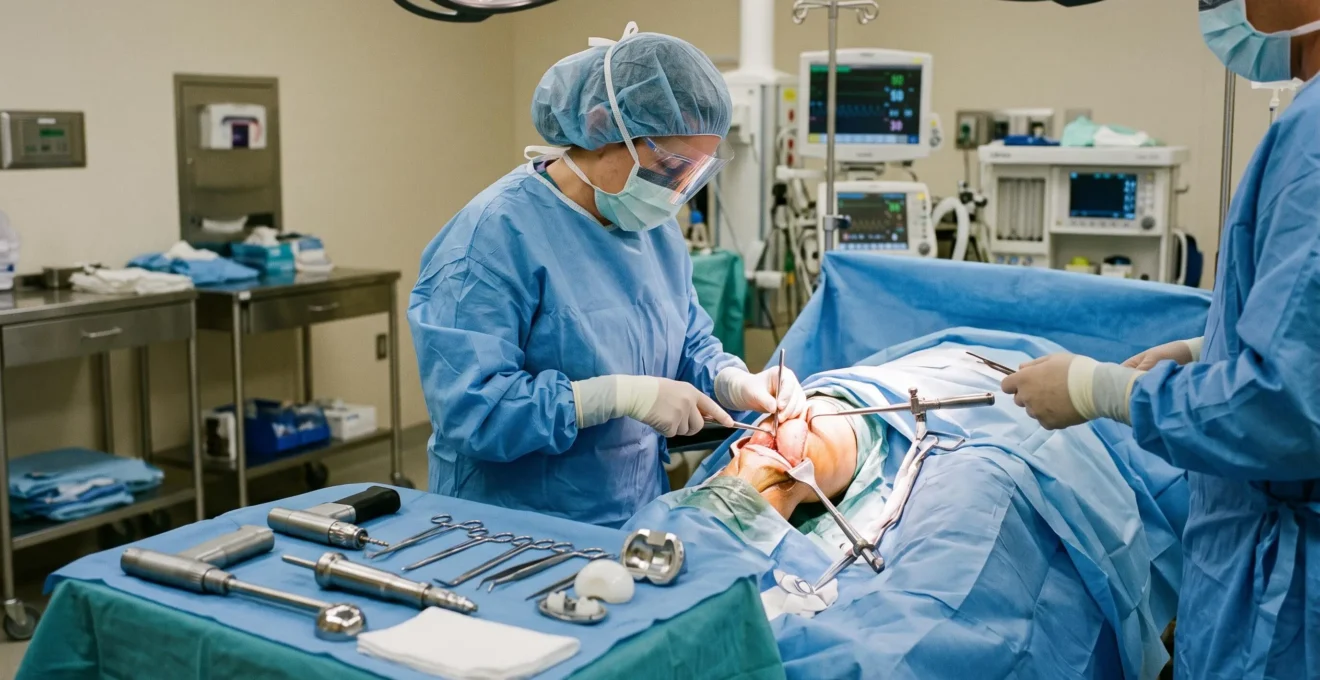
Knee replacement, medically termed total knee arthroplasty (TKA), involves replacing damaged cartilage and sometimes underlying bone surfaces with a prosthetic implant made of metal alloys and medical-grade polyethylene plastic. The procedure addresses the fundamental problem in advanced knee arthritis: when cartilage deteriorates completely, bone surfaces grind against each other with every movement, creating chronic pain and progressive functional limitation.
Two main surgical approaches exist, distinguished by the extent of cartilage damage. Total knee replacement addresses arthritis affecting multiple compartments of the knee joint, replacing all articular surfaces. Partial knee replacement, also called unicompartmental arthroplasty, treats arthritis confined to a single compartment—typically the inner (medial) or outer (lateral) portion of the knee. Partial replacement generally offers faster recovery and may preserve more natural knee mechanics, but applies only when damage remains localized.
Two main types: which one applies to you? If arthritis is limited to one compartment of your knee, a partial replacement may suffice and typically involves shorter rehabilitation. When arthritis affects multiple compartments or the entire joint surface, total knee replacement becomes necessary. Your orthopedic surgeon determines the appropriate approach based on X-ray imaging and the extent of cartilage deterioration observed during clinical examination.
The primary objective of knee replacement surgery is straightforward: eliminate the pain caused by bone-on-bone friction and restore enough mobility to perform essential daily activities such as walking, climbing stairs, and engaging in low-impact recreational pursuits like gardening or swimming. The surgery ranks among the most commonly performed orthopedic procedures in the United States, with hundreds of thousands of Americans undergoing knee replacement annually, creating substantial clinical experience across orthopedic practices.
Understanding this surgical option requires grasping a fundamental principle: knee replacement is never presented as an initial treatment but rather as the endpoint of a progressive care pathway. Before surgery becomes appropriate, patients must demonstrate that conservative treatments—medications, injections, physical therapy, weight management, and activity modification—have been thoroughly attempted and have failed to provide adequate symptom control.
When do conservative treatments stop working?
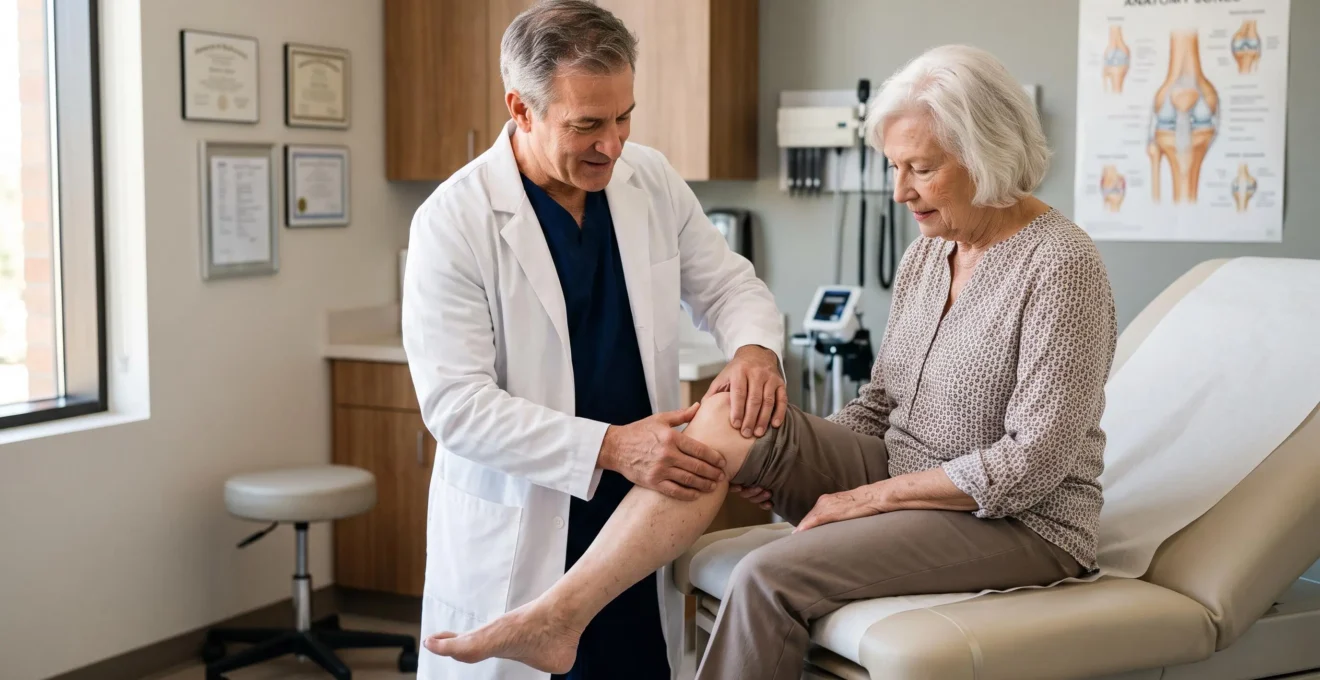
The transition from conservative management to surgical consideration follows a clear temporal benchmark: surgery is typically considered only after three to six months of well-executed conservative treatments produce no significant improvement or show progressively declining effectiveness. This timeframe allows adequate trial of multiple non-surgical approaches while preventing unnecessary delay when treatments clearly fail.
Several measurable signals indicate conservative treatments are reaching their limits. Pain that persists during rest, not just during activity, represents a significant threshold. Many patients notice they can no longer find comfortable positions while sitting or lying down. Night-time awakening due to knee discomfort becomes increasingly frequent. Anti-inflammatory medications that once provided reliable relief for days or weeks now offer only hours of respite.
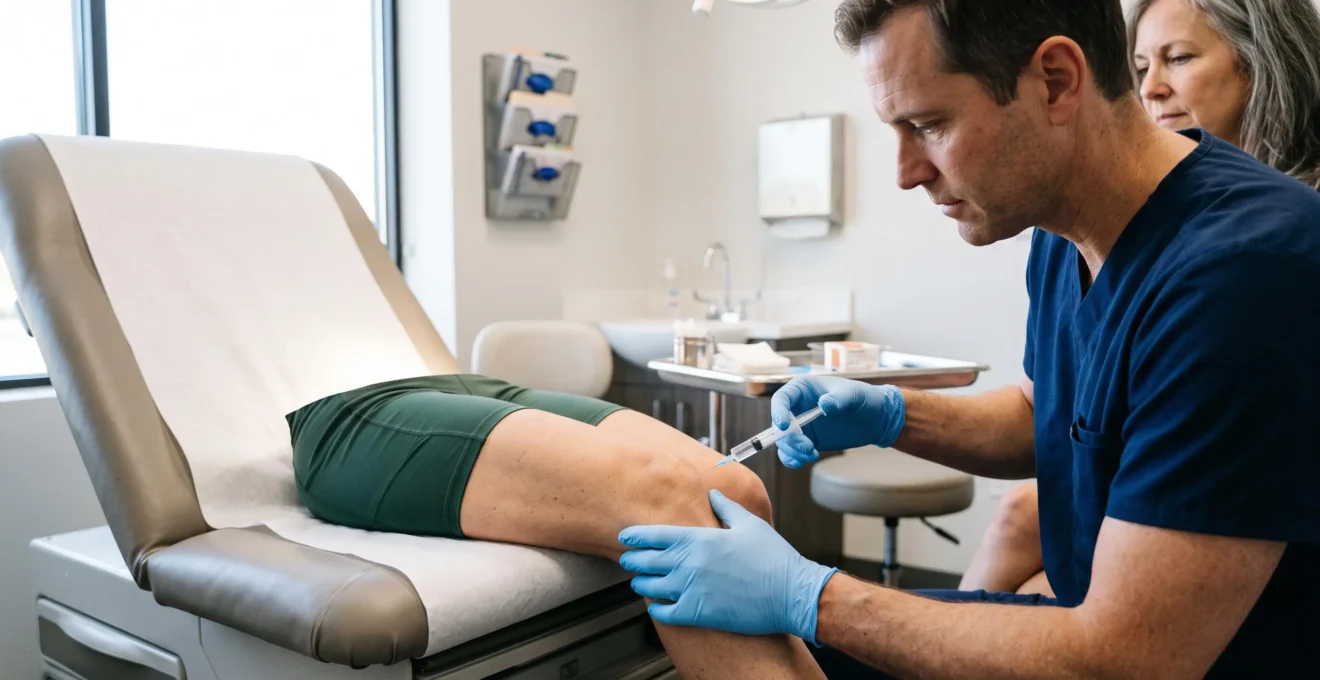
The effectiveness pattern of corticosteroid injections provides particularly clear evidence of treatment failure. Initially, cortisone injections may provide three to four months of symptom reduction. As arthritis advances, subsequent injections yield progressively shorter relief periods—dropping to six weeks, then three weeks, eventually offering minimal benefit. This declining efficacy curve signals that the underlying joint deterioration has advanced beyond what temporary inflammation control can manage.
Physical therapy outcomes follow similar patterns. A well-designed rehabilitation program typically requires six to eight weeks to demonstrate benefit through muscle strengthening and movement optimization. When a properly executed physical therapy program produces no measurable gain in range of motion, walking distance, or functional capacity after this period, it suggests that mechanical joint damage rather than muscular weakness drives the symptoms.
-
Pain transitions from activity-related to constant
Discomfort that once appeared only during prolonged walking or stair climbing now occurs during routine daily movements and even at rest.
-
Night pain disrupts sleep patterns
Knee discomfort wakes you from sleep or prevents finding comfortable sleeping positions, indicating inflammation and damage beyond what activity modification can address.
-
Injection duration progressively shortens
Corticosteroid injections that previously provided months of relief now last only weeks or days, suggesting advancing cartilage loss.
-
Physical therapy produces no functional gains
After six to eight weeks of dedicated rehabilitation exercises, you observe no improvement in walking distance, stair-climbing ability, or range of motion.
-
Medication requirements escalate without better control
You need increasing doses or frequencies of pain medications yet experience diminishing symptom relief, indicating treatment resistance.
An important distinction: the failure of a single conservative treatment does not justify surgical intervention. Orthopedic evaluation for surgery becomes appropriate when multiple approaches—medication, injections, physical therapy, activity modification, and weight management when applicable—have been attempted in combination without achieving acceptable symptom control. This comprehensive trial ensures that surgery is reserved for situations where non-surgical options truly cannot provide adequate quality of life.
Persistence beyond six months: When conservative treatments provide no meaningful improvement after six months of consistent application, continuing the same approaches risks unnecessary functional decline and muscle atrophy that can complicate eventual recovery. Persistent symptoms despite well-conducted conservative care warrant orthopedic consultation to evaluate whether surgical intervention has become the more appropriate path.
Clinical indicators that signal the need for surgery
Orthopedic surgeons rely on specific, quantifiable assessment tools to determine surgical appropriateness rather than subjective impressions alone. Three categories of objective criteria converge to guide the decision: validated pain and function scores, radiographic imaging results, and measurable functional limitations.
The WOMAC score (Western Ontario and McMaster Universities Osteoarthritis Index) represents the most widely used patient-reported outcome measure in knee arthritis. This standardized questionnaire evaluates pain intensity, joint stiffness, and physical function across 24 questions. Higher WOMAC scores indicate greater symptom severity and functional impairment. When WOMAC scores remain elevated despite conservative treatment, they provide quantitative evidence supporting surgical consideration. The Visual Analog Scale (VAS) offers a complementary measure, asking patients to rate pain intensity from 0 to 10, with scores consistently above 6 or 7 signaling inadequate symptom control.
Radiographic assessment using the Kellgren-Lawrence grading system provides objective visualization of joint deterioration. This standardized classification ranges from 0 to 4 based on X-ray findings. Surgery is generally considered appropriate only for grades 3 or 4, which demonstrate significant structural damage.
| Grade | X-ray Findings | Typical Management |
|---|---|---|
| Grade 0 | Normal knee joint, no arthritis | No specific treatment needed |
| Grade 1 | Doubtful arthritis, possible small bone spur | Activity modification, preventive measures |
| Grade 2 | Mild arthritis, definite bone spurs, joint space preserved | Conservative treatments (medication, PT, injections) |
| Grade 3 | Moderate arthritis, marked joint space narrowing, multiple bone spurs | Intensive conservative treatment; surgery if symptoms severe |
| Grade 4 | Severe arthritis, joint space nearly or completely gone, bone deformity | Surgery typically most effective when conservative treatments fail |
Functional assessment provides the third critical dimension. Orthopedic surgeons evaluate specific activity limitations: inability to walk more than 500 meters without significant pain, difficulty ascending or descending stairs without handrail support, inability to rise from a low chair without assistance, and limitations in essential self-care activities such as bathing or dressing. These concrete functional measures translate medical findings into real-world impact.
The surgical decision rarely hinges on any single criterion in isolation. Rather, the convergence of elevated pain scores, advanced radiographic grades (3-4), measurable functional limitations, and documented failure of conservative treatments creates the comprehensive clinical picture that justifies knee replacement. This multi-dimensional assessment ensures that surgery addresses genuine need rather than responding to a single abnormal test result.
How does arthritis severity guide the decision?
Not all knee arthritis progresses to require surgical intervention. Only advanced arthritis classified as Kellgren-Lawrence grades 3 or 4, demonstrating significant cartilage loss and joint space narrowing, typically justifies knee replacement consideration. Mild to moderate arthritis (grades 1-2) responds to conservative management in most cases, and surgery at these earlier stages generally provides little benefit while exposing patients to unnecessary surgical risks.
Several factors influence how rapidly arthritis progresses from early to advanced stages. Body weight exerts a powerful mechanical effect on knee joints. According to the Arthritis Foundation, every pound of body weight lost removes approximately four pounds of pressure from the knee joints. A five-pound weight reduction therefore decreases cumulative knee stress by roughly 20 pounds with each step. Over thousands of daily steps, this pressure reduction can significantly slow cartilage degradation and improve the effectiveness of conservative treatments.
This weight-pressure relationship explains why obesity accelerates arthritis progression and why weight management represents one of the few truly modifiable factors in the disease trajectory. For patients with a body mass index above 30, targeted weight reduction of 5 to 10 percent can produce measurable symptom improvement and potentially delay or prevent the need for surgery. Implementing strategies for losing weight while staying healthy becomes particularly relevant for individuals with moderate knee arthritis seeking to slow progression.
Other progression factors include knee alignment abnormalities (bowlegs or knock-knees concentrate stress on specific compartments), previous knee injuries or surgeries that altered joint mechanics, and activity patterns. Both complete inactivity and excessive high-impact activity can worsen arthritis—the former through muscle weakening that destabilizes the joint, the latter through repetitive trauma that accelerates cartilage breakdown.
Arthritis progression does not follow a uniform trajectory. Some patients remain stable at moderate severity for years, while others experience rapid deterioration. Regular monitoring through clinical examination and periodic X-rays allows physicians to track progression and adjust treatment strategies accordingly, identifying the appropriate timing for surgical referral based on individual disease behavior rather than predetermined timelines.
Ideal candidates for knee replacement
The typical candidate for knee replacement presents a specific profile: age 55 years or older (though no strict age cutoff exists), radiographic evidence of Kellgren-Lawrence grade 3 or 4 arthritis, chronic pain resistant to at least three to six months of conservative treatments, significant limitation in daily functional activities, general health status compatible with anesthesia and surgery, and demonstrated motivation to complete intensive post-operative rehabilitation.
Age considerations introduce important strategic nuances. For patients younger than 60 years with arthritis limited to a single knee compartment, orthopedic surgeons may recommend osteotomy—a bone realignment procedure that shifts weight-bearing stress away from the damaged compartment—before considering joint replacement. This approach recognizes that modern knee prostheses typically last 15 to 20 years before requiring revision surgery. Performing knee replacement on a 50-year-old patient would likely necessitate at least one revision procedure during that person’s lifetime, whereas osteotomy can delay prosthetic replacement by a decade or more.
Conversely, patients aged 65 and older with multi-compartmental arthritis are generally directed toward total knee replacement as the definitive solution, since prosthesis longevity will likely exceed their remaining lifespan, eliminating revision concerns.
According to the American Joint Replacement Registry, which tracks outcomes from over two million joint replacements, 88% of patients achieved meaningful improvement after total knee arthroplasty based on matched patient-reported outcome scores. This high success rate applies to appropriately selected candidates who meet the clinical criteria outlined above.
Several conditions represent relative contraindications requiring careful evaluation: active infection anywhere in the body (must be resolved before elective joint surgery), severe obesity with body mass index above 40 (substantially increases surgical and healing complications), unstable cardiovascular disease, cognitive impairment or lack of social support that would prevent participation in rehabilitation, and unrealistic expectations about post-surgical capabilities.
Patient motivation and rehabilitation commitment significantly influence outcomes. Knee replacement requires dedicated physical therapy for three to six months post-operatively to regain strength, range of motion, and functional capacity. Patients who actively engage in prescribed exercises consistently achieve better results than those with passive approaches to recovery. Orthopedic evaluation therefore includes assessing not only medical appropriateness but also readiness to undertake the recovery process.
What are the alternatives to surgery?
Before committing to surgical intervention, several additional conservative options may warrant consideration, particularly for patients with moderate arthritis or those seeking to delay surgery.
Viscosupplementation, involving injection of hyaluronic acid directly into the knee joint, aims to supplement the natural joint fluid that provides lubrication and shock absorption. These injections can reduce pain and improve function for several months. Effectiveness varies considerably among patients, with better responses typically observed in moderate arthritis (grade 2-3) than in severe cases (grade 4) where little natural joint space remains. Treatment courses usually involve three to five injections administered weekly.
Platelet-rich plasma (PRP) therapy uses concentrated platelets from the patient’s own blood, injected into the affected knee to theoretically promote tissue healing. While some patients report benefit, scientific evidence supporting PRP for knee arthritis remains under investigation, and insurance coverage is generally not available. PRP should be viewed as an experimental option rather than a proven alternative to established treatments.
Intensive muscle strengthening programs targeting the quadriceps, hamstrings, and hip stabilizers can partially compensate for joint instability and reduce pain in mild to moderate arthritis. Stronger muscles better absorb forces during movement, decreasing stress on damaged cartilage. This approach works best earlier in the disease process; severe grade 4 arthritis with bone-on-bone contact responds minimally to strengthening alone.
Activity modification represents a pragmatic approach: substituting high-impact activities (running, jumping sports) with low-impact alternatives such as swimming, cycling, or walking on even surfaces. Using assistive devices like a cane can reduce knee loading by 20 to 30 percent. Orthotic shoe inserts may improve joint alignment and pressure distribution.
These alternatives remain most relevant when arthritis severity stays at moderate levels and symptoms remain intermittent rather than constant. When arthritis reaches grade 4 with persistent rest pain resistant to all conservative measures, these options typically become insufficient, and knee replacement offers the most effective path to restored function. The key distinction: conservative alternatives work by managing symptoms around existing damage, while surgery directly addresses the structural cause by replacing the damaged joint surfaces.
Recovery and long-term outcomes
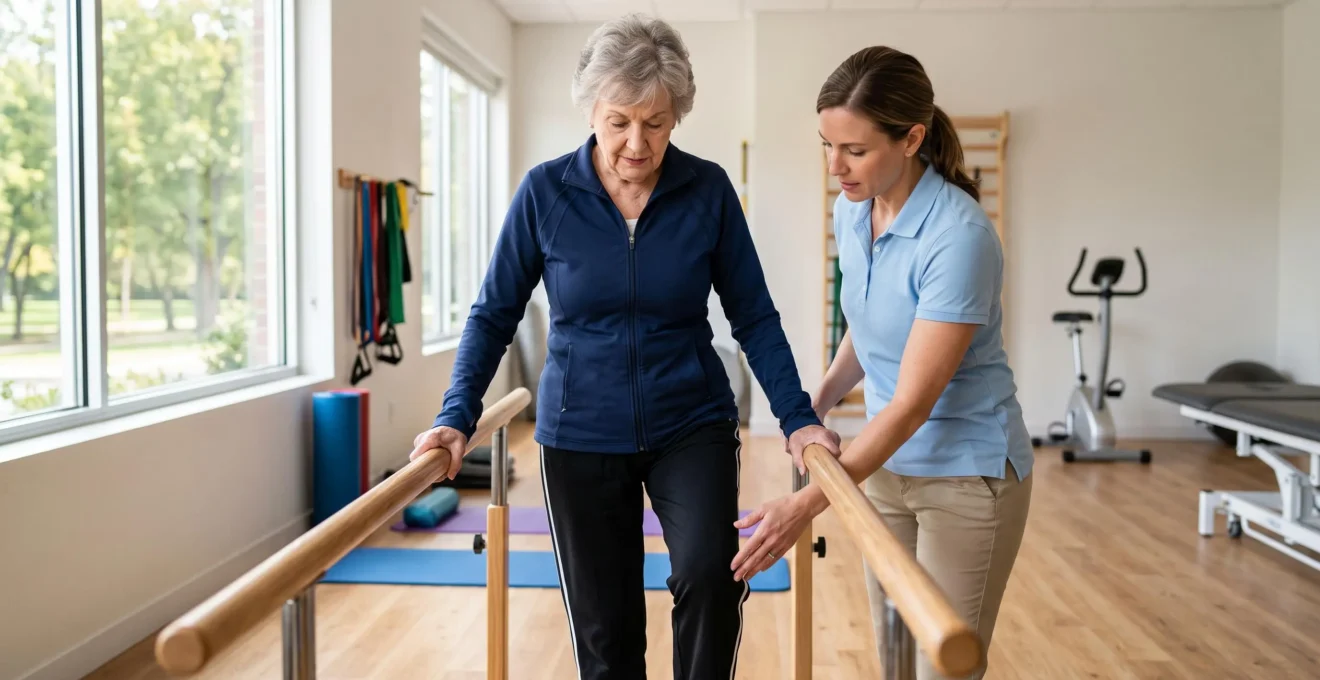
Understanding the recovery trajectory and realistic outcome expectations helps patients make informed surgical decisions. Modern knee replacement protocols emphasize rapid mobilization and structured rehabilitation to optimize results.
The typical recovery timeline progresses through distinct phases. Hospitalization now lasts one to three days in most cases, with many centers adopting fast-track protocols that discharge stable patients within 24 hours. Physical therapy begins on the first post-operative day, focusing on regaining basic knee bending and straightening movements. Patients use a walker initially, transitioning to a cane within three to six weeks as strength improves. Return to routine daily activities occurs progressively over three to six months, though many patients notice substantial functional improvement within the first two months. Complete recovery, defined as maximum strength and mobility restoration, typically requires six to twelve months.
88%
patient satisfaction
According to the American Joint Replacement Registry, 88% of total knee arthroplasty patients achieved meaningful improvement in pain and function at long-term follow-up, based on validated patient-reported outcome scores.
Realistic outcome expectations include significant pain reduction—most patients report 80 to 90 percent improvement in pre-operative pain levels—along with enhanced mobility and return to low-impact activities such as walking, swimming, golf, and gardening. The prosthetic knee will not feel identical to a natural, healthy knee, but should provide pain-free function for daily needs and recreational activities. High-impact activities like running, jumping sports, and heavy lifting remain discouraged to preserve prosthesis longevity.
All surgical procedures carry risks that require acknowledgment. Infection occurs in approximately 1 to 2 percent of knee replacements, necessitating antibiotic treatment and occasionally additional surgery. Deep vein thrombosis (blood clots in leg veins) represents another concern, mitigated through anticoagulation medications prescribed during the early recovery period. Joint stiffness can develop if rehabilitation exercises are not performed diligently. Prosthesis failure requiring revision surgery affects fewer than 5 percent of patients within the first ten years when modern implants are used. These complications, while requiring awareness, occur in the minority of cases and are generally manageable with appropriate medical care.
Emerging technologies enhance post-operative monitoring and recovery. Telemedicine platforms allow remote check-ins with surgical teams, reducing unnecessary office visits while maintaining close oversight. Mobile applications guide patients through prescribed exercises with video demonstrations and progress tracking. Wearable sensors can monitor movement patterns and alert therapists to potential problems. These innovations improve rehabilitation adherence and enable early detection of complications, contributing to better overall outcomes.
Low-impact walking programs, such as details on the Japanese walking trend, can be incorporated into long-term post-surgical activity plans once full recovery is achieved, helping maintain cardiovascular fitness and muscle strength without overstressing the prosthetic joint.
-
Week 1-2: Hospitalization and initial mobilization
Hospital stay of 1-3 days, physical therapy begins immediately, focus on basic movement and standing with walker assistance.
-
Week 3-6: Home recovery with intensive therapy
Transition to home, outpatient physical therapy 2-3 times weekly, progress to cane for walking, gradual increase in daily activities.
-
Month 2-3: Expanding functional capacity
Resume light household tasks, short outdoor walks, gentle strengthening exercises, noticeable pain reduction compared to pre-surgery.
-
Month 3-6: Return to normal activities
Most daily activities resume without difficulty, driving typically permitted after 4-6 weeks, low-impact recreational activities can begin.
-
Month 6-12: Complete recovery
Maximum strength and mobility restoration achieved, full return to low-impact sports and hobbies, ongoing maintenance exercises to preserve function.
Making an informed decision about timing
Determining whether you have reached the threshold for knee replacement surgery requires evaluating multiple objective criteria rather than relying on pain severity alone. The decision becomes appropriate when you can affirmatively answer several key questions: Have conservative treatments including medication, physical therapy, and injections been thoroughly attempted for at least three to six months? Do your X-rays demonstrate Kellgren-Lawrence grade 3 or 4 arthritis with significant joint space narrowing? Does your pain persist even during rest and disrupt sleep? Are you unable to perform essential daily activities such as walking reasonable distances, climbing stairs, or caring for yourself independently?
Surgery offers the highest likelihood of success when performed neither prematurely—before conservative options have been exhausted—nor excessively delayed to the point where severe muscle atrophy and deconditioning complicate recovery. The medical literature demonstrates that patients who undergo knee replacement when clear clinical criteria are met achieve better functional outcomes than those who either rush into surgery or wait until mobility becomes severely compromised.
This decision ultimately rests on the convergence of objective medical findings, documented treatment failures, and your personal assessment of acceptable quality of life. Knee replacement is not an emergency procedure for most patients, allowing time for thorough evaluation, second opinions when desired, and careful consideration of timing that aligns with your life circumstances and goals.
The next step involves scheduling a comprehensive orthopedic consultation where your physician can review current X-rays, assess functional status using standardized measures like the WOMAC score, examine your knee directly, and discuss whether you have reached the clinical threshold where surgery offers more benefit than continued conservative management. This consultation should address your specific concerns about surgical risks, recovery timeline, and realistic post-operative expectations based on your individual health profile and arthritis severity.