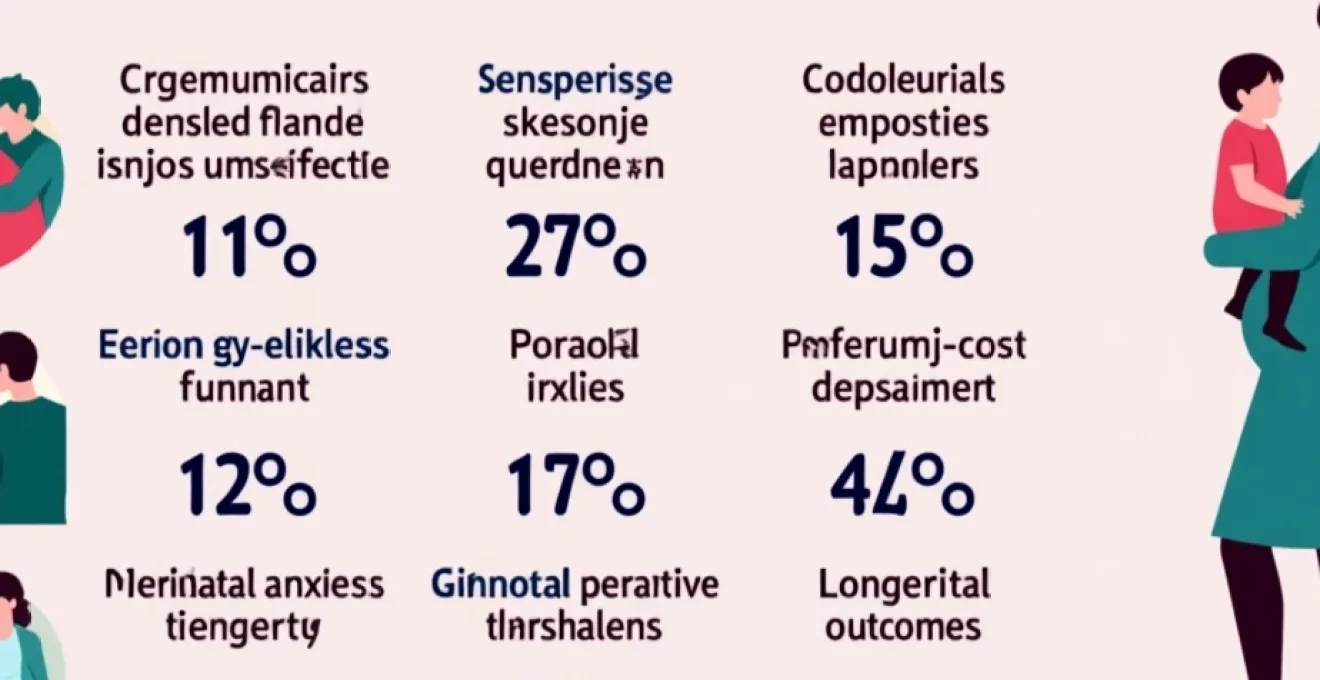
Maternal mental health represents one of the most significant yet underaddressed aspects of women’s healthcare in the United Kingdom. Recent comprehensive data analysis reveals that approximately one in four women experience perinatal mental health conditions during the critical period spanning from conception through two years postpartum. This prevalence rate translates to over 155,000 women annually requiring mental health support during their perinatal journey, highlighting the substantial scale of this public health challenge.
The economic burden of untreated perinatal mental health conditions extends far beyond individual suffering, with estimated costs exceeding £8.1 billion annually for each birth cohort in the UK. These figures encompass not only direct healthcare expenses but also the long-term societal costs associated with reduced maternal functioning, impaired child development outcomes, and increased family support needs. Understanding these statistics becomes crucial for healthcare commissioners, policymakers, and clinicians working to improve maternal and infant wellbeing across England.
Prevalence rates of perinatal depression and anxiety disorders
The latest Office of Health Improvement and Disparities data provides unprecedented insight into perinatal mental health prevalence across England. The comprehensive analysis of 128,070 women with birth events in 2016 revealed that 25.8% of mothers experience some form of perinatal mental health condition , with common mental disorders accounting for 25.3% of all cases. This represents a significant increase from previous estimates and reflects improved detection methods alongside genuine increases in prevalence rates.
Depression emerges as the most prevalent condition, affecting approximately 15-20% of women during the perinatal period. However, these rates vary considerably depending on the screening tools used and the specific timeframes assessed. The complexity of accurately measuring depression prevalence stems from the natural emotional fluctuations experienced during pregnancy and early motherhood, which can mask or mimic depressive symptoms.
Edinburgh postnatal depression scale (EPDS) diagnostic thresholds analysis
The Edinburgh Postnatal Depression Scale remains the gold standard screening tool for perinatal depression, with varying threshold scores providing different sensitivity and specificity rates. Research indicates that using a threshold score of 10 or above identifies approximately 85% of women with major depression, while capturing 77% of those with minor depression. When the threshold increases to 13 or above, specificity improves to 96%, though sensitivity decreases to 68% for major depression cases.
Clinical studies demonstrate that EPDS scores between 10-12 typically indicate mild to moderate depression, affecting roughly 10-15% of perinatal women. Scores of 13 and above suggest probable major depression, occurring in approximately 5-8% of the perinatal population. These diagnostic thresholds prove particularly valuable in primary care settings, where early identification and intervention can significantly improve outcomes for both mother and infant.
Generalised anxiety disorder (GAD-7) screening results in pregnant women
Anxiety disorders during pregnancy often receive less attention than depression, yet GAD-7 screening data reveals concerning prevalence rates. Approximately 18-20% of pregnant women score above the threshold for mild anxiety (GAD-7 score ≥ 5), while 10-12% meet criteria for moderate anxiety (GAD-7 score ≥ 10). Severe anxiety, indicated by scores of 15 or above, affects an estimated 4-6% of expectant mothers.
The progression of anxiety symptoms throughout pregnancy follows distinct patterns, with many women experiencing peak anxiety levels during the first and third trimesters. Research suggests that untreated antenatal anxiety significantly increases the risk of postnatal depression, creating a complex interplay between different mental health conditions that requires comprehensive assessment and treatment approaches.
Postpartum psychosis incidence rates per 1,000 live births
Postpartum psychosis represents the most severe perinatal mental health emergency, occurring in approximately 1-2 cases per 1,000 live births. This translates to roughly 600-1,200 women annually across the UK experiencing this potentially life-threatening condition. The onset typically occurs within the first two weeks postpartum, with 50% of cases developing within the first 72 hours after delivery.
Risk factors for postpartum psychosis include previous episodes of bipolar disorder or psychosis, with recurrence rates reaching 25-50% in subsequent pregnancies. First-time mothers with no psychiatric history account for approximately 40% of cases, emphasising the unpredictable nature of this condition and the importance of universal screening protocols in maternity services.
Antenatal depression prevalence during each trimester
Antenatal depression demonstrates varying prevalence rates across pregnancy trimesters, challenging the common misconception that depression primarily occurs postnatally. First trimester depression affects approximately 7-12% of pregnant women, often coinciding with pregnancy adjustment challenges and physical symptoms like nausea and fatigue. The prevalence typically decreases during the second trimester, dropping to 8-10% as physical symptoms subside and pregnancy becomes more established.
Third trimester depression shows a concerning increase, affecting 10-16% of expectant mothers as birth approaches. This pattern reflects the complex interaction between hormonal changes, physical discomfort, anxiety about labour, and concerns about impending parenthood. Women experiencing third trimester depression face elevated risks of postnatal depression, with continuity rates reaching 50-60% without appropriate intervention.
Demographic risk factors and statistical correlations
Demographic analysis reveals significant variations in perinatal mental health outcomes across different population groups. These disparities reflect the complex interplay between biological, psychological, and social factors that influence maternal mental wellbeing. Understanding these patterns enables healthcare services to target resources effectively and develop culturally appropriate interventions for high-risk populations.
The data demonstrates a clear relationship between deprivation levels and mental health outcomes, with women in the most deprived areas experiencing prevalence rates of 32% compared to 20.2% in the least deprived areas. This substantial disparity highlights how socioeconomic factors fundamentally shape maternal mental health experiences and outcomes across England.
Maternal age distribution in mental health diagnoses
Age-related patterns in perinatal mental health follow a distinctive U-shaped curve, with the highest prevalence rates observed in teenage mothers (39.6%) and women aged 40 and above (22.3%). The lowest rates occur among women aged 35-39 years (20.3%), suggesting that optimal maternal age ranges correlate with improved mental health outcomes during the perinatal period.
Teenage pregnancy presents unique challenges, with elevated rates reflecting the intersection of developmental, educational, and social pressures alongside pregnancy-related stressors. These young mothers often face additional barriers to accessing appropriate mental health support, including stigma, limited transportation, and competing educational or employment demands. Conversely, older mothers may experience increased anxiety related to pregnancy complications, fertility concerns, and career interruption pressures.
Socioeconomic status impact on perinatal mental health outcomes
The relationship between socioeconomic status and perinatal mental health outcomes demonstrates stark inequalities across England’s population. Women living in areas ranked within the most deprived quintile experience mental health condition rates exceeding 30%, while those in the least deprived areas show rates below 22%. This 8-10 percentage point difference translates to thousands of additional women requiring mental health support in disadvantaged communities.
Multiple deprivation indicators contribute to these disparities, including income poverty, employment instability, housing insecurity, and limited educational opportunities. The cumulative effect of these stressors creates a perfect storm for mental health challenges during the vulnerable perinatal period. Additionally, women from deprived backgrounds often face barriers to accessing timely, appropriate mental health care, exacerbating existing inequalities and perpetuating cycles of disadvantage.
Ethnic minority groups and cultural mental health disparities
Ethnic disparities in perinatal mental health present a complex picture of both elevated need and reduced access to appropriate care. Evidence suggests that women from certain ethnic minority backgrounds experience higher rates of perinatal mental health conditions, yet paradoxically show lower rates of formal diagnosis and treatment engagement. This disparity reflects systemic barriers including cultural stigma, language barriers, and inadequate cultural competency within healthcare services.
Research indicates that South Asian and Black Caribbean women report higher levels of self-reported mental health symptoms compared to White British women, yet receive fewer formal diagnoses in primary care settings. This diagnostic gap suggests that traditional screening methods may not adequately capture the experiences of diverse populations, potentially leaving thousands of women without appropriate support during their perinatal journey.
The evidence shows that when services are made accessible, females from ethnic minority backgrounds show higher levels of utilisation, which may reflect a greater need for support provided by these services.
First-time mothers versus multiparous women statistical comparison
Parity status significantly influences perinatal mental health outcomes, with first-time mothers (primiparous women) demonstrating different risk profiles compared to multiparous women. Primiparous women typically experience higher rates of antenatal anxiety, with prevalence rates reaching 22-25% compared to 15-18% among multiparous women. This difference reflects the uncertainties and fears associated with first-time pregnancy and impending parenthood.
Conversely, multiparous women show elevated risks for certain conditions, particularly when caring for multiple young children creates additional stressors. Women with three or more children demonstrate increased rates of depression, especially when pregnancies occur within short intervals. The competing demands of existing children, combined with pregnancy-related physical and emotional changes, create unique challenges that require tailored support approaches.
Geographic variations in UK maternal mental health data
Geographic analysis reveals significant regional variations in perinatal mental health prevalence across England, with northern regions consistently showing higher rates than southern areas. The North East demonstrates the highest regional prevalence at 27.5%, while London and the South East record the lowest rates at 24.7% and 24.6% respectively. These geographic disparities reflect complex interactions between socioeconomic factors, healthcare access, cultural attitudes, and regional policy implementations.
At the local authority level, variations become even more pronounced, ranging from 20.8% in Richmond upon Thames to 29.4% in Blackpool. This nearly 9 percentage point difference illustrates how local conditions, including employment opportunities, housing quality, social cohesion, and healthcare provision, fundamentally shape maternal mental health outcomes. Urban areas generally show higher prevalence rates, with notable exceptions in affluent London boroughs where access to private healthcare and social support networks may provide protective factors.
These geographic patterns highlight the importance of localised service planning and resource allocation. Areas with consistently high prevalence rates require enhanced mental health service provision, while regions with lower rates might focus on prevention and early intervention strategies. The data suggests that effective perinatal mental health care requires understanding and addressing the unique characteristics and challenges of each geographic area.
Treatment access and healthcare utilisation statistics
Healthcare utilisation data reveals both progress and persistent challenges in perinatal mental health service provision across England. Recent figures demonstrate substantial improvements in service access, with over 57,000 women receiving specialist perinatal mental health support in the most recent reporting year, representing a 33% increase from previous data. This expansion reflects the NHS Long Term Plan’s commitment to establishing comprehensive perinatal mental health services in every area of England.
Despite these improvements, significant treatment gaps persist. Analysis suggests that only 40-45% of women with diagnosable perinatal mental health conditions currently receive appropriate specialist care. The remaining 55-60% either receive no treatment, inadequate treatment, or rely solely on primary care interventions that may not address the complexity of their needs. This treatment gap represents thousands of women and their families who continue to experience preventable suffering and long-term consequences.
NHS perinatal mental health service referral rates
NHS perinatal mental health services have experienced dramatic growth in referral rates, reflecting both increased awareness and expanded service availability. Current data indicates referral rates of approximately 95-100 per 1,000 births, significantly exceeding the original planning assumptions of 70-80 per 1,000 births. This higher-than-expected demand demonstrates the substantial unmet need that existed prior to service expansion and suggests that true prevalence rates may exceed current estimates.
Referral patterns show considerable variation by source, with midwifery services contributing 35-40% of referrals, primary care accounting for 25-30%, and self-referrals comprising 15-20%. The high proportion of midwifery referrals reflects successful integration of mental health screening into routine antenatal care, while the significant self-referral rate indicates effective public awareness campaigns and reduced stigma around seeking mental health support during the perinatal period.
IAPT (improving access to psychological therapies) programme engagement
The IAPT programme provides crucial psychological therapy access for women with mild to moderate perinatal mental health conditions. Current engagement rates show that approximately 15-18% of women referred to IAPT services are in their perinatal period, with completion rates of 65-70% for this population. These completion rates exceed the general IAPT population average, suggesting that perinatal women demonstrate high motivation for treatment engagement when appropriate services are available.
Treatment outcomes within IAPT services show encouraging results for perinatal populations, with recovery rates reaching 55-60% compared to 50% for the general population. Cognitive behavioural therapy and interpersonal therapy demonstrate particular effectiveness for perinatal depression and anxiety, with adapted treatment protocols addressing pregnancy-specific concerns and parenting adjustment challenges.
Specialist mother and baby unit admission statistics
Mother and Baby Units (MBUs) provide essential inpatient care for women with severe perinatal mental health conditions, particularly postpartum psychosis. England currently operates 19 MBUs with approximately 150 beds, serving a population of over 650,000 annual births. Admission rates average 1.2-1.5 per 1,000 births, with typical length of stay ranging from 6-12 weeks depending on diagnosis and treatment response.
Occupancy rates consistently exceed 85%, indicating high demand and efficient resource utilisation. However, this high occupancy sometimes results in women being admitted to units far from their home areas, creating additional stress for families during an already challenging period. Postpartum psychosis accounts for approximately 60% of MBU admissions, with severe depression and other psychotic conditions comprising the remainder.
Primary care detection rates using PHQ-9 screening tools
Primary care detection of perinatal mental health conditions has improved significantly with systematic screening implementation. PHQ-9 screening in GP practices identifies depression in approximately 12-15% of perinatal women, though detection rates vary considerably between practices. Well-implemented screening programmes with adequate follow-up protocols achieve detection rates approaching true prevalence estimates, while practices with poor implementation miss significant numbers of affected women.
The timing of primary care screening influences detection effectiveness, with the postnatal check at 6-8 weeks providing a crucial opportunity for identification. Recent guidance emphasises comprehensive mental health assessment during this consultation, leading to improved detection rates and earlier intervention. However, women who disengage from primary care or change practices during the perinatal period may avoid detection entirely, highlighting the importance of multiple screening opportunities across different healthcare touchpoints.
Economic impact and healthcare cost analysis
The economic impact of perinatal mental health conditions extends far beyond immediate healthcare costs, encompassing long-term consequences for mothers, children, families, and society. Comprehensive economic analysis estimates the total cost of perinatal mental health problems at £8.1 billion for each annual birth cohort in the UK, with 72% of these costs falling on children and families rather than the healthcare system. This distribution highlights how untreated maternal mental health conditions create ripple effects that persist throughout the child’s development and beyond.
Healthcare utilisation costs for women with perinatal mental health conditions average 40-50% higher than those without such conditions. These increased costs stem from additional GP consultations, emergency department visits, extended midwifery support, and specialist mental health interventions. Women with severe conditions may require intensive support including crisis team involvement, psychiatric admissions, and extended community mental health team engagement, substantially increasing per-case costs.
The economic analysis reveals that early intervention and prevention strategies deliver exceptional return on investment. Every £1 spent on effective perinatal mental health services generates £7-9 in reduced long-term costs through prevention of child developmental problems, reduced family breakdown, decreased maternal healthcare utilisation, and improved employment outcomes. This compelling economic case supports expansion of comprehensive perinatal mental health services as both a moral imperative and sound fiscal policy.
Perinatal mental health problems carry a total economic and social long-term cost to society of about £8.1 billion for each one-year cohort of births in the UK.
The
indirect costs associated with child developmental delays, family breakdown, and reduced maternal productivity create substantial long-term economic burdens that often exceed immediate treatment costs by a factor of five to seven.
Productivity losses represent a significant component of the economic impact, with affected mothers experiencing 30-40% higher rates of employment disruption compared to those without perinatal mental health conditions. These disruptions include extended maternity leave, reduced working hours, job changes due to inflexibility, and complete workforce withdrawal. The cumulative effect translates to an estimated £2.3 billion in lost productivity for each annual birth cohort, highlighting the broader economic implications beyond healthcare expenditure.
Social services costs increase substantially when perinatal mental health conditions remain untreated. Families affected by severe maternal mental illness require additional support services including enhanced health visitor input, family support services, and in extreme cases, child protection interventions. The cost per family requiring intensive social services support averages £15,000-£25,000 annually, with some complex cases exceeding £50,000 when residential placements or care proceedings become necessary.
Longitudinal outcomes and child development statistics
The long-term impact of maternal perinatal mental health conditions on child development represents one of the most concerning aspects of this public health challenge. Longitudinal studies tracking children from birth through adolescence demonstrate significant developmental differences between children of mothers with treated versus untreated perinatal mental health conditions. These differences manifest across multiple domains including cognitive development, emotional regulation, social skills, and academic achievement.
Children born to mothers with untreated perinatal depression show measurable developmental delays by 18 months of age, with language development particularly affected. Research indicates that 25-30% of these children demonstrate delayed language milestones compared to 12-15% in the general population. The gap widens throughout early childhood, with affected children showing 6-8 point lower scores on standardised developmental assessments by age three.
Educational outcomes reveal persistent disadvantages for children whose mothers experienced untreated perinatal mental health conditions. School readiness assessments at age five show that 35-40% of children from affected families score below expected levels for literacy and numeracy skills, compared to 20-25% in the comparison population. These educational disparities continue throughout primary school, with affected children requiring special educational support at twice the rate of their peers.
Behavioral and emotional development demonstrates equally concerning patterns. Children of mothers with untreated perinatal mental health conditions exhibit higher rates of attention difficulties (18% versus 8%), conduct problems (22% versus 12%), and emotional disorders (16% versus 7%) by school age. The intergenerational transmission of mental health difficulties becomes evident during adolescence, with teenage children of affected mothers showing 40-50% higher rates of depression and anxiety disorders.
However, longitudinal data also provides encouraging evidence about the effectiveness of early intervention. Children whose mothers received prompt, appropriate treatment for perinatal mental health conditions demonstrate developmental outcomes that closely approximate those of unaffected families. This finding underscores the critical importance of timely identification and intervention in breaking cycles of intergenerational mental health transmission and supporting optimal child development outcomes.
The attachment relationship between mother and infant serves as a crucial mediator of long-term outcomes. Secure attachment rates drop to 45-50% among mothers with untreated perinatal mental health conditions compared to 65-70% in the general population. Insecure attachment patterns, particularly disorganised attachment, increase substantially when maternal mental illness remains untreated, creating lasting effects on the child’s capacity for emotional regulation and relationship formation throughout their life course.