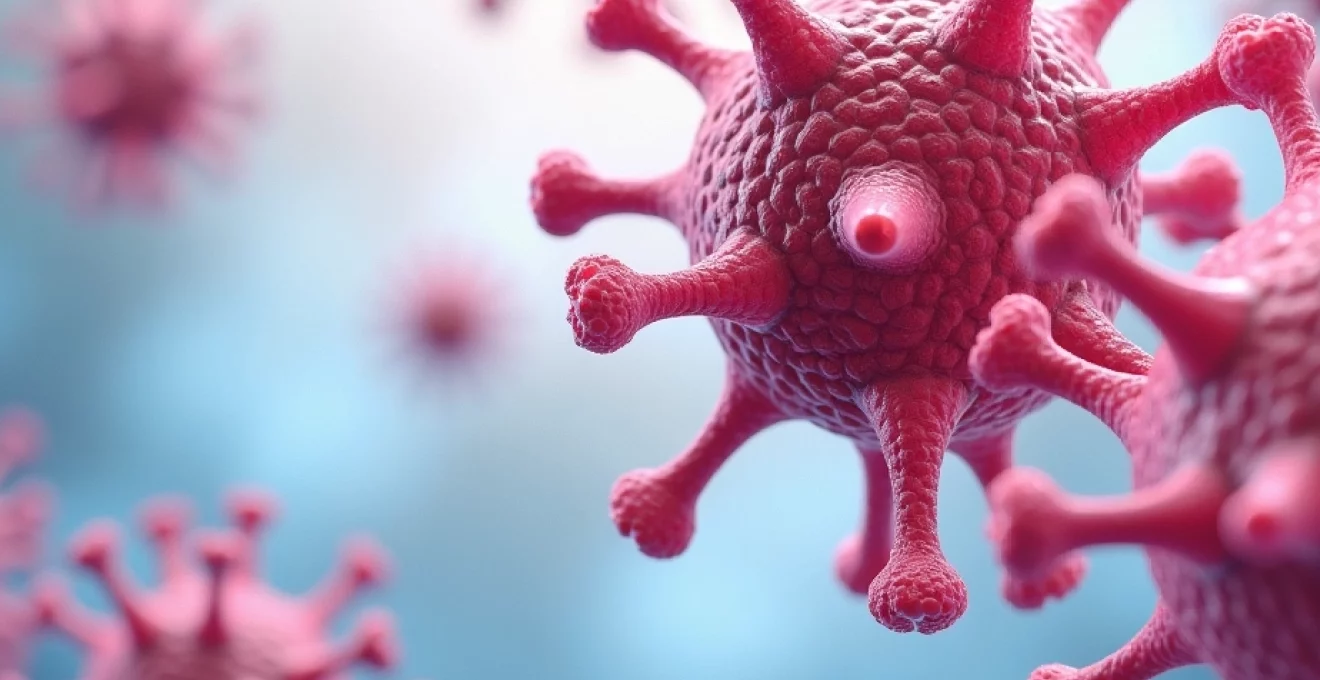
Streptococcus mutans stands as the primary culprit behind dental caries, affecting billions of people worldwide through its ability to produce acid and form persistent biofilms on tooth surfaces. This gram-positive bacterium’s remarkable resilience and pathogenic potential have made it a significant target for antimicrobial research and clinical intervention. Understanding the various agents and mechanisms that can effectively eliminate or control S. mutans is crucial for preventing tooth decay and maintaining optimal oral health. From traditional chemical antimicrobials to innovative natural compounds and emerging biotechnological approaches, the arsenal against this tenacious pathogen continues to expand, offering new hope for more effective dental care strategies.
Antimicrobial agents and their mechanisms against streptococcus mutans
The battle against S. mutans involves a diverse array of antimicrobial agents, each targeting specific cellular components or metabolic pathways within the bacterium. These conventional antimicrobials have formed the backbone of oral care products for decades, demonstrating varying degrees of effectiveness against this persistent pathogen. Understanding how these agents work at the molecular level provides insight into their clinical applications and limitations.
Fluoride compounds: sodium fluoride and stannous fluoride bactericidal effects
Fluoride compounds represent the most widely used antimicrobial agents in dental care, with sodium fluoride and stannous fluoride leading the charge against S. mutans. These compounds exert their bactericidal effects through multiple mechanisms, including the disruption of glycolytic enzymes essential for bacterial metabolism. When S. mutans encounters fluoride, the compound interferes with the bacterium’s ability to produce acid from dietary sugars, effectively reducing its cariogenic potential.
Stannous fluoride demonstrates superior antimicrobial activity compared to sodium fluoride, primarily due to the presence of tin ions that enhance bacterial membrane disruption. Research indicates that stannous fluoride can achieve up to 99% reduction in S. mutans populations when applied at therapeutic concentrations. The compound’s effectiveness stems from its ability to penetrate bacterial biofilms and interfere with essential cellular processes, including protein synthesis and membrane integrity.
Chlorhexidine gluconate membrane disruption pathways
Chlorhexidine gluconate stands as one of the most potent antimicrobial agents against S. mutans, achieving bactericidal effects through comprehensive membrane disruption. This cationic antiseptic binds to negatively charged components of the bacterial cell wall and membrane, leading to immediate cytoplasmic leakage and cellular death. The compound’s broad-spectrum activity and substantivity make it particularly effective in clinical applications.
The mechanism of action begins with chlorhexidine’s electrostatic attraction to bacterial surfaces, followed by rapid adsorption and penetration into the cell envelope. Once inside, the compound disrupts cytoplasmic membrane integrity, causing leakage of intracellular constituents and ultimately leading to bacterial death. Clinical studies demonstrate that 0.2% chlorhexidine solutions can reduce S. mutans populations by over 90% within minutes of application.
Essential oil components: thymol, eucalyptol, and menthol antimicrobial action
Essential oil components offer a natural approach to S. mutans elimination, with thymol, eucalyptol, and menthol demonstrating significant antimicrobial properties. These compounds work by disrupting bacterial cell membranes and interfering with metabolic processes essential for survival. Thymol exhibits the strongest bactericidal activity among these compounds, with minimum inhibitory concentrations as low as 125 μg/mL against S. mutans.
The antimicrobial action of these essential oil components involves multiple targets within bacterial cells. They increase membrane permeability, leading to loss of cellular contents and disruption of proton-motive force. Additionally, these compounds interfere with ATP synthesis and various enzymatic processes, creating a multi-target approach that reduces the likelihood of bacterial resistance development.
Triclosan and its fatty acid biosynthesis inhibition mechanism
Triclosan represents a unique antimicrobial approach, specifically targeting fatty acid biosynthesis in S. mutans through inhibition of the enoyl-acyl carrier protein reductase enzyme. This mechanism disrupts the bacterium’s ability to synthesize essential fatty acids required for membrane integrity and cellular function. The compound’s selectivity for this pathway makes it particularly effective against gram-positive bacteria like S. mutans.
At therapeutic concentrations, triclosan demonstrates both bacteriostatic and bactericidal effects, depending on exposure time and bacterial load. The compound’s ability to accumulate in bacterial biofilms enhances its effectiveness against established S. mutans colonies, making it valuable for preventing dental plaque formation and maturation.
Cetylpyridinium chloride quaternary ammonium cytotoxicity
Cetylpyridinium chloride exemplifies the effectiveness of quaternary ammonium compounds against S. mutans through direct cytotoxic action. This cationic surfactant disrupts bacterial cell membranes by interacting with phospholipid bilayers, leading to membrane destabilisation and cellular lysis. The compound’s positive charge facilitates strong binding to negatively charged bacterial surfaces , ensuring rapid and effective antimicrobial action.
The cytotoxic mechanism involves multiple steps, beginning with electrostatic attraction to bacterial cell walls, followed by insertion into membrane lipid structures. This process disrupts membrane integrity, causes leakage of cellular constituents, and ultimately results in bacterial death. Studies show that cetylpyridinium chloride can reduce S. mutans populations by over 95% at concentrations commonly found in commercial mouthwashes.
Natural antimicrobial compounds targeting streptococcus mutans
The growing interest in natural antimicrobial compounds reflects both consumer preferences for natural products and the need for alternatives to conventional antimicrobials. These naturally occurring substances offer unique mechanisms of action against S. mutans while often providing additional benefits such as anti-inflammatory properties and reduced side effects. Natural compounds frequently exhibit multiple targets within bacterial cells , potentially reducing the risk of resistance development compared to single-target synthetic antimicrobials.
Xylitol sugar alcohol metabolic disruption properties
Xylitol represents a revolutionary approach to S. mutans control through metabolic disruption rather than direct killing. This five-carbon sugar alcohol cannot be metabolised by S. mutans, leading to what researchers term a “futile cycle” that depletes bacterial energy reserves. When S. mutans attempts to process xylitol through its phosphotransferase system, the resulting xylitol-5-phosphate cannot be further metabolised, accumulating within the cell and inhibiting glycolysis.
The metabolic disruption caused by xylitol extends beyond simple energy depletion. Regular exposure to xylitol selects for S. mutans strains with reduced virulence, as bacteria that can efficiently transport xylitol are paradoxically less capable of causing dental caries. This population shift represents a unique ecological approach to caries prevention, reducing the cariogenic potential of the oral microbiome rather than simply eliminating bacteria.
Clinical applications of xylitol demonstrate remarkable effectiveness, with studies showing up to 80% reduction in S. mutans populations following regular use. The compound’s safety profile and pleasant taste make it ideal for incorporation into various oral care products, from chewing gums to toothpastes, providing sustained antimicrobial effects throughout the day.
Green tea polyphenols: EGCG and ECG biofilm inhibition
Green tea polyphenols, particularly epigallocatechin gallate (EGCG) and epicatechin gallate (ECG), demonstrate remarkable effectiveness against S. mutans through multiple mechanisms of action. These compounds inhibit bacterial adherence to tooth surfaces, disrupt established biofilms, and interfere with glucosyltransferase enzymes essential for extracellular polysaccharide production. EGCG exhibits the strongest antimicrobial activity , with minimum inhibitory concentrations ranging from 125-500 μg/mL depending on bacterial strain and experimental conditions.
The biofilm inhibition properties of green tea polyphenols involve complex interactions with bacterial cell surfaces and extracellular matrix components. These compounds can penetrate existing biofilms and disrupt the architecture that protects embedded bacteria from environmental stresses. Additionally, polyphenols interfere with quorum sensing mechanisms, preventing bacterial communication essential for coordinated biofilm development and maintenance.
Cranberry proanthocyanidins Anti-Adhesion mechanisms
Cranberry proanthocyanidins offer a unique approach to S. mutans control by preventing initial bacterial adhesion to tooth surfaces rather than killing established bacteria. These compounds interfere with the interaction between bacterial adhesins and salivary proteins that coat tooth enamel, effectively preventing the first step in biofilm formation. This anti-adhesion mechanism provides a preventive approach that complements traditional antimicrobial strategies.
The molecular basis of cranberry proanthocyanidin activity involves binding to bacterial surface proteins, altering their conformation and reducing their affinity for host tissues. Studies demonstrate that regular exposure to cranberry extract can reduce S. mutans adhesion by up to 70%, significantly impacting the bacterium’s ability to establish persistent infections. This mechanism also affects bacterial aggregation, further limiting biofilm development potential.
Manuka honey methylglyoxal antimicrobial activity
Manuka honey’s antimicrobial effectiveness against S. mutans stems primarily from its high methylglyoxal content, which creates a multi-target approach to bacterial elimination. This compound disrupts bacterial DNA, proteins, and cellular membranes simultaneously, making it extremely difficult for bacteria to develop resistance. The methylglyoxal concentration in authentic Manuka honey can reach levels exceeding 800 mg/kg , providing potent antimicrobial activity while maintaining biocompatibility.
Beyond methylglyoxal, Manuka honey creates an osmotic environment hostile to bacterial survival while providing hydrogen peroxide through glucose oxidase activity. The combination of these factors, along with the honey’s low pH and phenolic compounds, creates a synergistic antimicrobial effect that can eliminate S. mutans biofilms more effectively than individual components alone. Clinical applications show that Manuka honey can reduce S. mutans populations by over 95% while promoting tissue healing.
Antibiotic susceptibility and resistance patterns in streptococcus mutans
Understanding antibiotic susceptibility patterns in S. mutans provides crucial insights into treatment options and emerging resistance concerns. While S. mutans generally remains susceptible to many conventional antibiotics, concerning trends in resistance development have emerged in clinical isolates worldwide. Penicillin continues to show excellent activity against most S. mutans strains , with resistance rates remaining below 5% in most populations, making it a reliable option for systemic treatment when indicated.
Macrolide antibiotics, including erythromycin and clarithromycin, demonstrate variable effectiveness against S. mutans, with resistance rates varying significantly between geographic regions and patient populations. The mechanism of macrolide resistance typically involves ribosomal RNA methylation or efflux pump activity, both of which can be horizontally transferred between bacterial species. This transferable resistance poses particular concerns in the oral environment, where multiple bacterial species coexist in close proximity.
Fluoroquinolone antibiotics show potent activity against S. mutans in laboratory settings, but their use in oral infections remains limited due to concerns about resistance development and potential effects on normal oral microbiota. The rapid bactericidal action of fluoroquinolones results from DNA gyrase inhibition, leading to bacterial death within hours of exposure. However, single-step mutations can confer significant resistance, limiting their long-term utility.
Tetracycline and its derivatives maintain good activity against S. mutans, with resistance rates varying depending on local prescribing patterns and bacterial exposure history. The protein synthesis inhibition mechanism of tetracyclines provides broad-spectrum coverage, but the development of efflux-mediated resistance has become increasingly common. Doxycycline shows superior tissue penetration compared to other tetracyclines , making it particularly useful for treating established oral infections where biofilm penetration is crucial.
The emergence of multidrug-resistant S. mutans strains represents a significant challenge for clinical management, requiring careful antibiotic selection and combination therapy approaches.
Physical and environmental factors affecting streptococcus mutans viability
Physical and environmental factors play crucial roles in determining S. mutans survival and growth, offering non-chemical approaches to bacterial control. Temperature extremes effectively eliminate S. mutans, with thermal death occurring at temperatures above 60°C within minutes, while freezing temperatures below -20°C can significantly reduce bacterial viability over extended periods. These temperature sensitivities have practical applications in food safety and equipment sterilisation protocols.
pH manipulation represents another powerful tool for S. mutans control, despite the bacterium’s remarkable acid tolerance. While S. mutans can survive in pH environments as low as 4.0, sustained exposure to pH levels below 3.5 or above 9.0 results in significant bacterial death. The bacterium’s acid tolerance mechanisms become overwhelmed at extreme pH values , leading to cellular damage and death. This principle underlies the effectiveness of certain oral care products that create alkaline environments to neutralise bacterial acid production.
Osmotic stress provides another avenue for bacterial control, with high salt concentrations effectively dehydrating S. mutans cells and disrupting cellular integrity. Sodium chloride concentrations above 10% create osmotic environments incompatible with bacterial survival, while lower concentrations can inhibit growth and reduce virulence factor production. This mechanism contributes to the antimicrobial effectiveness of certain mouth rinses and topical treatments.
Ultraviolet radiation demonstrates potent bactericidal effects against S. mutans through DNA damage mechanisms. UV-C radiation at wavelengths around 254 nm causes thymine dimer formation in bacterial DNA, leading to replication errors and cellular death. Surface decontamination using UV light can achieve over 99% reduction in S. mutans populations within minutes of exposure, making it valuable for equipment sterilisation and environmental control applications.
Desiccation stress significantly impacts S. mutans viability, with bacterial survival decreasing rapidly in low-humidity environments. While the bacterium can survive brief periods of dryness, extended exposure to relative humidity levels below 30% results in cellular dehydration and death. This sensitivity to desiccation contributes to the effectiveness of air-drying protocols in dental settings and explains the reduced bacterial survival on cleaned and dried surfaces.
Photodynamic therapy and Light-Activated antimicrobial protocols
Photodynamic therapy represents an innovative approach to S. mutans elimination, combining photosensitising agents with specific wavelengths of light to generate reactive oxygen species that destroy bacterial cells. This technique offers several advantages over conventional antimicrobials, including the absence of systemic toxicity, minimal impact on normal oral tissues, and virtually no risk of resistance development. The selective targeting of bacteria while preserving host tissues makes photodynamic therapy particularly attractive for oral applications .
The mechanism of photodynamic action involves three essential components: a photosensitiser, light of appropriate wavelength, and molecular oxygen. When the photosensitiser absorbs light energy, it becomes excited and transfers energy to surrounding oxygen molecules, creating highly reactive singlet oxygen and other reactive oxygen species. These molecules cause immediate and irreversible damage to bacterial cell membranes, DNA, and essential proteins, leading to rapid bacterial death.
Methylene blue serves as one of the most extensively studied photosensitisers for S. mutans elimination, demonstrating excellent bacterial uptake and efficient reactive oxygen species generation upon red light activation. Clinical studies show that methylene blue-mediated photodynamic therapy can achieve over 99% reduction in S. mutans populations within biofilms, with effects lasting for several hours post-treatment. The compound’s safety profile and proven effectiveness make it suitable for routine clinical applications.
Chlorin-based photosensitisers offer enhanced tissue penetration and improved bacterial selectivity compared to traditional compounds. These second-generation photosensitisers demonstrate superior biofilm penetration capabilities, reaching bacteria embedded deep within extracellular matrix structures. The enhanced penetration properties result in more uniform bacterial killing throughout biofilm thickness , addressing one of the primary limitations of surface-acting antimicrobials.
Light-emitting diode technology has revolutionised photodynamic therapy accessibility, providing precise wavelength control and reduced treatment times while maintaining excellent antimicrobial effectiveness.
Combination protocols incorporating multiple photosensitisers or sequential light exposures demonstrate synergistic effects against S. mutans biofilms.
These multi-agent approaches enhance treatment outcomes by targeting different bacterial populations simultaneously while reducing individual treatment concentrations. Research demonstrates that combining photosensitisers with complementary absorption spectra can achieve bacterial elimination rates exceeding 99.9% while minimising photosensitiser dose requirements.
Porphyrin-based compounds represent another promising class of photosensitisers, offering excellent bacterial selectivity and minimal host cell toxicity. These compounds accumulate preferentially in bacterial cells compared to mammalian tissues, creating a therapeutic window that enhances safety margins. The natural affinity of porphyrins for bacterial iron-containing enzymes contributes to their selective uptake, making them particularly effective against metabolically active S. mutans populations within biofilms.
Treatment protocols typically involve pre-incubation periods ranging from 1-30 minutes to allow photosensitiser uptake, followed by light exposure durations of 1-10 minutes depending on bacterial load and biofilm thickness. The optimisation of these parameters remains crucial for achieving maximum bacterial elimination while maintaining patient comfort and treatment practicality. Recent advances in real-time monitoring systems allow clinicians to adjust treatment parameters dynamically based on bacterial response indicators.
Emerging biotechnological approaches: bacteriophages and probiotics
The frontier of S. mutans control increasingly features sophisticated biotechnological approaches that harness natural biological systems to combat bacterial infections. Bacteriophage therapy represents one of the most promising emerging strategies, utilising viruses specifically evolved to target and eliminate S. mutans while leaving beneficial oral bacteria unharmed. The specificity of bacteriophages offers unprecedented precision in targeting pathogenic bacteria, addressing longstanding concerns about broad-spectrum antimicrobial disruption of oral microbiome balance.
Lytic bacteriophages demonstrate remarkable effectiveness against S. mutans biofilms through their ability to penetrate extracellular matrix barriers and multiply within infected bacteria. These biological agents produce enzymes that degrade biofilm components, enhancing their own penetration while simultaneously disrupting bacterial protective structures. Studies show that engineered bacteriophages can achieve S. mutans population reductions exceeding 95% within established biofilms, with effects persisting for several days post-treatment.
The engineering of bacteriophages for enhanced therapeutic applications involves modifications to improve bacterial host range, increase lytic efficiency, and extend environmental stability. Researchers have developed phage cocktails containing multiple bacteriophage types to prevent bacterial resistance development and ensure comprehensive S. mutans elimination. These cocktail approaches demonstrate synergistic effects that surpass individual phage performance, providing robust protection against bacterial adaptation mechanisms.
Bacteriophage therapy offers the unique advantage of self-replicating antimicrobial agents that become more effective as bacterial populations increase, providing natural dose escalation when most needed.
Probiotic interventions represent another revolutionary approach to S. mutans control through competitive exclusion and direct antimicrobial compound production. Beneficial bacterial strains such as Lactobacillus reuteri and Streptococcus salivarius produce bacteriocins and other antimicrobial substances specifically active against cariogenic bacteria. These probiotic organisms establish protective biofilms on oral surfaces, competing with S. mutans for nutrients and attachment sites while creating environmental conditions unfavourable for pathogenic bacterial growth.
The mechanism of probiotic action extends beyond simple competitive exclusion to include complex ecological interactions that reshape oral microbiome composition. Probiotic bacteria produce organic acids other than lactic acid, metabolic byproducts that inhibit S. mutans growth, and signalling molecules that interfere with pathogenic bacterial communication systems. Clinical trials demonstrate that regular probiotic supplementation can reduce S. mutans populations by 60-80% while simultaneously increasing beneficial bacterial diversity within the oral cavity.
Engineered probiotic strains offer enhanced therapeutic potential through the incorporation of genes encoding specific antimicrobial compounds or metabolic pathways targeting S. mutans vulnerabilities. These genetically modified organisms can be designed to produce elevated levels of bacteriocins, express novel antimicrobial proteins, or metabolise specific substrates that generate toxic products for cariogenic bacteria. The precision of genetic engineering allows for the creation of highly targeted probiotic therapeutics, addressing specific aspects of S. mutans pathogenicity while maintaining oral microbiome balance.
Delivery systems for bacteriophage and probiotic therapies continue to evolve, with innovations including encapsulated formulations that protect biological agents during storage and transport, sustained-release systems that maintain therapeutic concentrations over extended periods, and targeted delivery mechanisms that concentrate agents at sites of active infection. These advances address practical challenges associated with biological therapeutic stability and efficacy, bringing these innovative approaches closer to routine clinical application.
Combination strategies incorporating both bacteriophages and probiotics demonstrate synergistic effects that exceed individual treatment modalities. The bacteriophages rapidly reduce pathogenic bacterial populations, creating ecological niches that probiotic organisms can occupy and maintain long-term. This sequential approach addresses both acute bacterial elimination needs and long-term prevention goals, providing comprehensive protection against S. mutans-mediated dental caries. Research indicates that such combination protocols can maintain S. mutans suppression for months following treatment, representing a significant advancement in preventive oral care strategies.